Physical assets, evaluated clearly
Real estate, land, gold, equipment, and collectibles can all be tangible assets—but they do not offer the same return, liquidity, cost, or risk. The best choice is the one that fits your goals, knowledge, time horizon, and overall financial plan.
Quick answer: For many investors, the strongest tangible assets are those with a clear economic use or a way to generate income, such as carefully selected rental property, productive land, or business equipment. Physical gold and silver may serve as a limited diversifier, while art, classic cars, watches, wine, gemstones, and other collectibles generally require specialist knowledge and a high tolerance for illiquidity.
A tangible asset is something physical that can be owned and, in many cases, resold. That definition covers everything from an apartment building to a gold coin, but simply being physical does not make an item a sound investment. A good investment needs a plausible source of return, manageable costs, realistic resale demand, and a place in a diversified plan.
This guide explains what to examine before buying physical assets, which categories may deserve consideration, and which popular claims should make you cautious. It is educational information, not individualized financial or tax advice.
What Makes a Tangible Asset an Investment?
A physical item can create a financial return in three main ways:
It produces cash flow
A rental property may collect rent, farmland may be leased, and equipment may generate business revenue. Income does not guarantee a profit because operating costs, vacancies, repairs, financing, and taxes still matter.
Its resale value rises
Land, bullion, art, or a collectible may appreciate, but prices can also stagnate or fall. A quoted market price is not the same as the amount you will receive after commissions, dealer spreads, and selling costs.
It saves or earns money
A tool, machine, vehicle, or energy system may lower expenses or increase output. Its investment value depends on measurable savings or earnings—not merely on ownership.
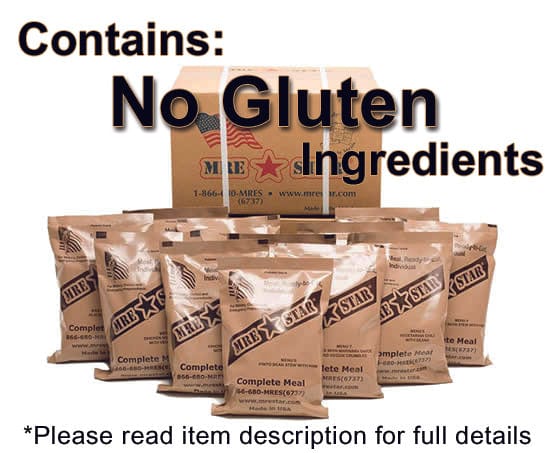
Some physical possessions have important practical value without being investments. Your primary vehicle, household supplies, and emergency food may improve daily life or resilience, but they usually depreciate or are consumed. Treat preparedness purchases as risk-management expenses, not as assets expected to appreciate. For help building practical readiness, see our preparedness guides.
Potential Benefits—and Costs People Overlook
Tangible assets can diversify a portfolio, provide direct control, offer practical use, or produce income. Some may behave differently from stocks and bonds during particular economic conditions. However, no physical asset is automatically recession-proof, inflation-proof, or guaranteed to hold its value.
The ownership costs can be substantial:
- Acquisition costs: inspections, appraisals, dealer markups, commissions, shipping, legal work, or closing expenses.
- Carrying costs: property taxes, maintenance, storage, insurance, security, financing, and management.
- Liquidity costs: the time and discount required to find a buyer, plus auction or brokerage fees.
- Loss risks: theft, damage, fraud, title disputes, counterfeits, obsolescence, disease, weather, or changing consumer tastes.
- Tax consequences: income, depreciation, gains, and estate treatment can vary by asset and jurisdiction.
Physical Asset Comparison
| Asset type | Possible return source | Liquidity | Ongoing work or cost | Main risks |
|---|---|---|---|---|
| Rental real estate | Net rent and possible appreciation | Low | High | Vacancy, repairs, leverage, local market and legal risk |
| Productive land | Lease income, crops, timber, or appreciation | Low | Moderate to high | Weather, water, soil, zoning, commodity prices, management |
| Business equipment | Revenue or documented cost savings | Low to medium | Moderate to high | Depreciation, repairs, obsolescence, weak demand |
| Gold or silver bullion | Price appreciation | Medium | Low to moderate | Price volatility, spreads, storage, theft, fraud, no income |
| Collectibles | Price appreciation | Low | Moderate | Authenticity, condition, fashion, valuation, taxes, selling fees |
| Livestock | Breeding, dairy, meat, fiber, or farm income | Low to medium | Very high | Disease, feed costs, regulation, weather, mortality, price swings |
| Physical oil or industrial metals | Price appreciation | Varies | High | Storage, safety, transport, contamination, commodity volatility |
Best Tangible Assets to Consider
1. Income-Producing Real Estate
Residential rentals, commercial property, storage facilities, or other income-producing real estate can combine cash flow with long-term appreciation. The operative word is income-producing: a property is only attractive if realistic rent can cover financing, taxes, insurance, maintenance, vacancies, management, and capital repairs while still meeting your return target.
A vacation home is not automatically a lucrative investment. Seasonal demand, local short-term rental restrictions, furnishings, cleaning, platform fees, and periods of personal use can materially affect the economics. Run conservative scenarios before buying, including lower occupancy and major repairs.
Useful metric: Estimate net operating income using market-supported rent and complete operating expenses. Then stress-test the result for vacancy, higher insurance, and an expensive repair. Do not rely on appreciation to rescue weak cash flow.
2. Productive Land
Farmland, timberland, grazing land, or property with a documented lease can have more than one return source. Yet land is highly local. Water rights, access, soil quality, environmental restrictions, zoning, property taxes, wildfire or flood exposure, and the availability of capable operators may matter more than a broad national trend.
Raw land held solely for future appreciation is more speculative because it may produce no income while taxes and maintenance continue. Before buying, verify title, legal access, boundaries, permitted use, utilities, environmental conditions, and the realistic pool of future buyers.
3. Equipment That Supports a Profitable Activity
Tools, machinery, commercial vehicles, solar equipment, or other productive systems may be sensible when they generate revenue or create measurable savings. A contractor's equipment, for example, may enable additional work; farm machinery may reduce labor or increase output. The analysis should include utilization, maintenance, downtime, insurance, financing, resale value, and expected replacement date.
Equipment bought without a proven use is usually a depreciating possession. Buy it because the numbers work in an activity you understand—not because it looks durable.

4. Physical Gold and Silver Bullion
Gold and silver are widely recognized, portable relative to their value, and may provide diversification. They do not generate rent, interest, or dividends, however, and their prices can be volatile. Your return also depends on the difference between the dealer's selling price and buyback price, plus tax, shipping, storage, insurance, and assay or authentication costs.
If you want direct ownership, standard bullion coins or bars from an established dealer are generally easier to price than rare or “collectible” coins. Ask for the total price, current spot price, dealer spread, written buyback terms, storage arrangement, delivery timeline, and cancellation policy. Independently verify the dealer and never send money because of high-pressure warnings that the banking system is about to collapse.
Precious-metals caution: Regulators have documented excessive markups, fake storage arrangements, leveraged-account losses, and metals that were never purchased. A promise of safety does not remove dealer, custody, price, or fraud risk.
5. Collectibles—Only When You Have an Edge
Art, antiques, classic cars, watches, wine, rare coins, and sports memorabilia can appreciate, but they are specialist markets rather than dependable wealth-preservation tools. Value depends on authenticity, provenance, condition, rarity, cultural taste, and finding the right buyer. Appraisals may differ, and auction premiums, dealer commissions, insurance, conservation, and climate-controlled storage can absorb much of the gain.
Diamonds and other gemstones do not automatically retain their retail value. Jewelry prices often include design, branding, and retailer margins that a resale buyer will not repay. Unless you possess genuine expertise and access to reputable buyers, treat collectibles as a small speculative allocation—or simply as items purchased for enjoyment.
6. Livestock and Agricultural Assets
Livestock can be productive business property, but animals are not passive investments. They require land, shelter, feed, water, veterinary care, labor, regulatory compliance, and a viable market. Disease, mortality, weather, feed prices, and commodity cycles can quickly change the outcome.
For experienced farmers and homesteaders, livestock may contribute food, breeding stock, fiber, or income. For everyone else, it is better understood as an operating enterprise that demands skill and daily management. Our self-sufficiency and homesteading guide offers a broader starting point for evaluating that lifestyle.
What About Oil, Copper, and Other Commodities?
Commodity exposure is not the same as storing the physical commodity. Oil, fuel, copper, and other industrial materials can be costly or hazardous to transport and store, may require permits or specialized facilities, and can have large bid-and-ask differences at retail scale. Deterioration, contamination, theft, and lack of a practical buyer can further reduce value.
For most households, drums of oil or piles of industrial metal are not sensible investment holdings. Investors who want commodity exposure commonly use regulated financial products instead, but those products introduce their own fees, market risks, structures, and tax considerations. Understand the instrument before investing.
Useful Possessions That Are Not Necessarily Investments
A resilient household and a profitable portfolio solve different problems. Several purchases may be worthwhile even when they do not produce a financial return:
- Your primary home provides housing and may appreciate, but interest, taxes, insurance, repairs, and transaction costs affect the result.
- A personal vehicle provides transportation but usually depreciates and creates ongoing costs.
- Emergency food, water, and supplies help a household manage disruptions but are consumable goods, not investments.
- Tools and backup systems can improve self-reliance, though their benefit may be avoided loss rather than resale profit.
Keeping this distinction clear prevents a common mistake: justifying an overpriced purchase by calling it an “asset.” If your goal is household readiness, start with a risk-based plan and the emergency food guide. If your goal is investment return, evaluate expected cash flow, appreciation, costs, and exit value.
How to Evaluate a Physical Asset Before You Buy
- Define the source of return. Will the asset earn income, save money, appreciate, or do some combination of the three?
- Calculate total ownership cost. Include financing, tax, insurance, storage, maintenance, security, management, commissions, and eventual selling costs.
- Test liquidity. Who is the natural buyer, how long do sales normally take, and what discount might be required for a quick exit?
- Verify value independently. Use comparable transactions, independent inspections, appraisals, assay reports, title searches, or qualified specialists as appropriate.
- Confirm ownership and custody. Check title, liens, provenance, serial numbers, authenticity, delivery, and whether an independent custodian actually holds the asset.
- Stress-test the downside. Model falling prices, vacancies, repair bills, theft, weather damage, changing rules, or loss of a key customer.
- Review taxes and legal obligations. Rules differ by asset, holding structure, use, and jurisdiction. Seek current professional advice before a significant purchase.
- Set a position limit. One property, collection, or metal position can create concentration risk even if it is called diversification.
- Write the exit plan first. Decide what would prompt a sale, how the sale would occur, and which costs or delays to expect.
Asset allocation should reflect your financial goals, time horizon, and ability to tolerate loss. Tangible assets can complement cash, stocks, bonds, and other holdings, but replacing one concentrated risk with another is not true diversification.
Warning Signs of a Tangible-Asset Scam
- Claims that an asset is guaranteed, risk-free, or certain to beat inflation.
- Pressure to act immediately because of a predicted currency, bank, or market collapse.
- Prices well above observable market value without a clear explanation.
- Guaranteed buybacks, secret markets, or unusually high returns with little detail.
- A seller who discourages independent inspection, appraisal, legal review, or comparison shopping.
- Storage fees without verifiable records, independent custody, serial numbers, or inspection rights.
- Requests to borrow against retirement savings or use heavy leverage for a supposedly “safe” purchase.
Check the seller, adviser, broker, custodian, and property records through the appropriate regulator or public registry. The person selling an asset should not be your only source of information about its value or safety.

Frequently Asked Questions
What is the best tangible asset to invest in?
There is no universal best asset. Income-producing property or equipment may suit investors who have sufficient capital and operating knowledge. Bullion may serve as a limited diversifier. Collectibles usually suit experienced buyers who understand valuation and resale. The best fit depends on your goals, liquidity needs, time horizon, expertise, and existing portfolio.
Are tangible assets a good hedge against inflation?
Some physical assets have preserved purchasing power during certain inflationary periods, but the relationship is inconsistent. Interest rates, local supply and demand, financing costs, economic growth, and the price paid all influence results. No tangible asset offers automatic inflation protection.
Is gold safer than real estate?
They have different risks. Gold has no tenant or repair risk and is more portable, but it produces no income and is exposed to price swings, spreads, theft, custody problems, and fraud. Real estate may generate rent but is illiquid, location-dependent, costly to maintain, and often leveraged. “Safer” depends on the specific asset and the investor's circumstances.
Are diamonds, watches, or classic cars reliable investments?
Not for most buyers. Specialist collectibles can appreciate, but pricing is opaque and depends on authenticity, provenance, condition, scarcity, taste, and access to buyers. Retail markups and selling costs can be high. Buy primarily for enjoyment unless you have a demonstrated edge.
How much of a portfolio should be in physical assets?
No single percentage is right for everyone. Consider emergency savings, debt, time horizon, cash-flow needs, tax situation, and exposure already embedded in your home or business. A fiduciary financial professional and qualified tax adviser can help assess concentration and suitability.
The Bottom Line
The best tangible assets are not necessarily the most exciting or heavily promoted. They are assets you can value, afford, protect, use productively, and eventually sell. Favor understandable economics over dramatic predictions: identify the return source, calculate every cost, verify ownership and condition, plan the exit, and keep the position proportionate to the rest of your finances.
Physical ownership can play a useful role in a broader strategy, but it is not a substitute for diversification, adequate liquid savings, careful due diligence, or professional advice when the stakes are high.
Sources and further reading
Disclaimer: This article is for general educational purposes only and does not constitute investment, legal, accounting, or tax advice. Markets and rules change. Consider consulting appropriately qualified professionals before making a significant investment.