
Grocery shopping feels a tad different these days. We all feel it. Things that were previously easy to budget for are now more challenging.
The price of bread has gone up a tick. Meat is a key factor in budget planning.
Even staple items are not as budget-friendly as they used to be. All these are minor changes. However, these changes significantly influence grocery shopping and meal planning.
One prediction for 2026 is that food prices will remain high.
Why so? Most of the factors surrounding food prices would already be established by then. Think of it like a new norm. It becomes "normal" prices.
A single factor does not determine food prices. Food prices are affected by many factors.
Think of the manner in which food products are produced. Or the way food products are transported. And of course, global trade matters, too. That is, if it's stable (or not).
For most families, it is not about significant changes at once. It involves identifying the factors that could affect grocery prices. And yes, planning a little further down the road.
When price changes occur gradually, it is much easier to ignore them. Well, yes, but not until they begin to affect expenses.
IN THIS ARTICLE, we will talk about how to shop a little smarter, how to stock your pantry so food lasts. How to stay prepared without overpreparing or worrying about the years ahead. We'll discuss practical strategies and tips to cope better.
Current Food Price Landscape

Of course, we all want to determine where food prices will end up in 2026. But first, it helps to review the current pricing.
The prices of the food you purchase at the grocery store are not increasing as quickly as they did before. Neither are they decreasing to former prices.
The prices that you see today are often higher than they were just a few years ago. That's a fact.
On the heels of rising food costs, the USDA’s Economic Research Service forecasts higher food prices in the coming year. In this case, 2026.
Given the rising costs of recent years, the rate is expected to be less steep. Averaging between 2 and 3 percent.
This does not appear problematic at first glance. But the range is extensive nonetheless. Certain foods are expected to increase in price further. Some foods are expected to remain unchanged (or may even drop momentarily).
Agricultural price indexes paint a similar picture. Prices are not expected to rise "abruptly" in the coming year. However, the projections indicate they will remain above average. The reason in this case is also cost.
Farmers are currently paying higher prices for fertilizer, fuel, and transportation than before. The price of energy is high. Freight costs are lower than at peak, though not inexpensive either.
For consumers, the impact manifests in different ways. The price of eggs might skyrocket for many weeks when bird flu breaks out. But that's just one of the many scenarios.
Vegetable prices may rise during extreme weather. The cost of bread and other products might remain constant before suddenly escalating.
Some products in supermarkets appear cheaper one week and more expensive the next. Such variability makes budgeting challenging, especially when consumers buy most products from supermarkets.
Another term that may also come to mind is “agflation." Don't get intimidated by the term. It is simply an indication that food prices are rising faster than inflation.
Even if inflation becomes stable, food prices could remain elevated. This explains why grocery store prices remain too high despite costs elsewhere stabilizing (somewhat).
Core Drivers of Rising Global Food Costs

1. Supply Chain Fragilities
The world’s food supply chain is still coping with the effects of the pandemic era. Yes, we're not done with that just yet. Many systems started up again. But honestly, they aren’t operating as they used to.
The ports are operating more slowly. There are longer waits to dock at the container ships. Some routes will be more expensive to use.
Freight prices are lower than their peak. However, they are relatively high compared with previous years. Fuel prices are yet another contributing factor.
The longer the distance food must travel from the farm to the processing plant (and then to the store), the higher the retail price. Fresh food and pantry food are not exempt from this principle.
Studies posted on the arXiv website show how "connected" really is the global food system. If a shock occurs in a large producer nation, the implications are immediate. We all feel it.
A drought in a particular country or a shutdown of a specific port of entry can also have significant effects worldwide. Prices are not slow to respond when the situation might seem localized.
2. Fertilizer Shortages and Price Pressures
We don't think much about fertilizers when it comes to food output. But they matter a whole lot. An increase in fertilizer prices will leave farmers with tough decisions.
They can use less fertilizer or plant less. All of these will, in one way or another, restrict future output.
According to FXStreet reports, the fertilizer market is under tight conditions. Prices for nitrogen, phosphate, and potash fertilizers are higher than before.
Energy costs determine the prices for these commodities. And also, trade agreements matter. Usually, their prices increase with higher demand.
Geopolitical challenges also influence the flow of fertilizers. It's a lot to think right now, but yes, sometimes, it digs deep. Russia and Belarus are some of the leading fertilizer exporters. The imposition of sanctions has slowed down the movement of fertilizers.
Even when exporting countries open the flow, uncertainty remains on the consumer side. As a result, the markets are sensitive. That's definitely worth knowing.
3. Geopolitical Disruptions
Geopolitics poses a substantial threat to prices. We've already (very briefly) said it above. The conflict and sanctions impact energy, fertilizer, and transportation routes. They are critical to food production and distribution.
The war in Ukraine continues to affect global markets. The war affects grain shipments, fertilizer supply, and fuel costs.
Even if the fighting is controlled, uncertainty drives prices up. You know, the idea of just not knowing anything.
Companies pay a premium to hedge against risk. Shipping insurance costs are rising. Delays happen more often. You get the picture.
The thing is, world trade patterns are not as predictable. This affects business spending, driving up in-store prices.
4. Climate Extremes and Weather Impacts
The weather has a greater impact on food prices than many people realize. Of course, we all feel about it. But not to its actual extent. Hurricanes impact harvest, time, and quality. Droughts lead to reduced harvests.
Floods can damage harvests. High temperatures affect cattle and fresh vegetables.
Reports from The Guardian indicate that extreme weather continues to affect food production worldwide. Such occurrences usually do not impact global average levels. However, they are still responsible for reduced quantities and higher prices.
When fruits and vegetables are not readily available, prices are likely to rise. This effect is especially true of fruits and vegetables. Especially those that don't have a longer storage life.
5. Interplay with Energy and Transport Costs
What various issues are linked to energy expenses? Agricultural machinery operates on fuel. Fertilizer production relies on gas.
Agricultural processing and refrigeration demand electricity. As we all know, rising energy prices often lead to higher food prices.
According to Reuters' analysis, food inflation remains driven by annual increases in oil and gas prices. A small change affects shipping rates and the costs of reaching the consumers.
Such costs change gradually through the inflation chain. These are the reasons why food prices might remain high in 2026.
What Price Forecasts for 2026 Suggest
What do the numbers indicate about food prices in 2026? The short answer is this. Prices are expected to keep rising. We should accept that now.
But honestly, just not at the same pace people saw during those worst inflation years. Still, though, that does not mean grocery shopping suddenly feels cheap again.
Overall, food prices are forecast to increase by approximately 2-3% in 2026. This is from the forecasts of the USDA Economic Research Service.
That number includes groceries purchased at the store; also, food is consumed outside the home. What's really important is the range itself.
Some categories will outperform expectations. Others may remain flat for months. That uncertainty is baked into the forecast.
Food purchased at the grocery store is expected to rise slightly more slowly than food away from home. For restaurants, eating out still means higher labor and operating costs. And so, they tend to raise prices a bit faster.
That's why many households notice that cooking at home saves money. And yes, even when grocery prices feel high.
Other stories are similar. Take the average of all food prices, and the situation seems relatively stable. That average conceals a great deal of churn beneath it. It doesn't really capture everything, sadly.
Meat, dairy, and eggs are typically more susceptible to feed costs, labor shortages, and disease among animal herds. Those categories are apt to burst through with surprise price jumps. At the same time, some packaged pantry items might stay put longer.
But here is the part many people miss. Stability does not mean predictability. While some agricultural price indexes suggest prices may level off, the costs behind them are still unstable.
Energy prices move. Fertilizer costs shift. Weather remains unpredictable. Shipping issues come and go. Because of this, price volatility remains part of the picture.
The World Bank has pointed out in recent outlooks that even when global averages look calm, local prices can still swing. A drought, a port delay, or a trade disruption can affect one region or one crop at a time.
That's why shoppers might see lower prices in one aisle and higher prices in another during the same week.
Regional differences count too. Grain prices work differently from those of fresh produce. Wheat and rice have longer storage lives, so prices move slower.
Fruits, vegetables, and proteins respond faster to the vagaries of weather and supply changes. Coastal regions can feel shipping delays sooner.
Price changes come to urban consumers sooner because supermarkets update prices often. So, with all these, what do forecasts really suggest?
Food prices in 2026 are unlikely to fall big. They're more likely to wave. Some weeks feel normal. Others feel expensive. Planning around that reality helps households avoid surprises. And of course, the goal (I believe) is to make steadier choices over time.
Pantry Planning: Practical Tips for Families
1. Smart Food Stocking Strategies
Let's start with rotation. This is the simplest thing. And yet, people always seem to forget about it.
The point is that you are supposed to take advantage of what you have in the house before you buy even newer products that are lurking in the back. Just check them out first. Who knows?
This ensures that products do not spoil and are not wasted. It also allows you to check what products you currently possess before buying further.
Then, turn to the basics. These are types of food that are durable, can serve a number of meals, and are suitable to different tastes.
These include everything. Grains, which are rice and oats. Beans and lentils. Shelf-stable proteins, which are fish or beans that come in cans.
Long-life diary substitutes, which are also important, especially when prices of other products are higher.
2. Shelf-Stable Items to have Stored Away
As per the Division of Emergency Management in the state of Nevada, canned meat, canned vegetables, dried pasta, rice, beans, soups, breakfast cereals, peanut butter, nut butters, and stock powders are good choices.
These are also foods that families are familiar with. The children will easily be in a position to consume them. The adults will be aware of how to prepare them. This is especially the case when prices are high and stress in the family already exists.
Hydration needs equal that of food. That's why FoodSafety.gov recommends storing one gallon of water per day per person. If just for a short period, it could be difficult to locate water when it’s unavailable in stores.
3. Emergency Meal Planning
Meal planning during emergencies does not necessarily involve preparing for the worst situation. It could simply entail stockpiling enough food that will last for one to two weeks.
And ideally, without needing constant replenishment from the grocery stores. This helps during weeks when prices become particularly expensive.
Consider basic meals. Rice with tomatoes from a jar. Noodles with shelf-stable sauce. Fish from a jar with crackers or a loaf of bread. It's easy, satisfying food.
Nutrients are still important. Nutrient-rich foods that Knorr preferably markets are soups, dehydrated vegetables, and broths, which provide lots of flavor and nutrition at a low cost.
Protein bars, dehydrated fruits, and canned fish provide a good amount of nutrition. They allow you to enjoy healthy food even when the other foods are a bit pricey.
4. Budgeting when Price Varies
Price volatility can be managed through the help of timing. During low prices, one can consider purchasing extra if there is sufficient storage space.
Bulk purchasing would thus be most ideal when the food items are already known and can be stored. Seasonal purchasing is another form of price management. Vegetables and fruits are cheaper when they are in season.
Price-tracking apps may also be useful. Many supermarkets now have apps that display a product price history, sales, and weekly promotions. So, maybe just take a moment to observe a pattern for a couple of weeks. To hopefully make it easier to plan a shopping list and cut down on impulse buying.
Meal planning holds all of this together. Using what you have for meal planning can reduce waste and avoid last-minute trips to the supermarket.
5. Community and Home Gardening Options
Raising vegetables does not need a huge area for cultivation. Small gardens can be helpful in cutting costs to a greater extent.
Some vegetables like herbs, vegetables with leafy greens, tomatoes, and root vegetables can be easily grown even by a beginner using pots or planters. An additional choice could be community gardens.
This actuates savings, as well as the promotion of the uptake of fresh veg, beyond the weeks that see grocery store price increments. Pantry planning is not about fear and stockpiling.
Pantry planning is about being prepared. With the future of food prices in 2026 being so uncertain, it’s the small things that count. So go ahead and stock the cupboard, plan your meals, and grow your own food.
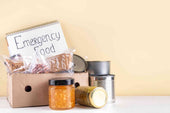
Why Emergency Food Supplies Matter
Price and supply shocks often come out of left field. And yes, port delays or bad weather or trade disruptions can rapidly hit store shelves.
If that occurs, people often end up buying whatever remains, even if it costs more or doesn't exactly fit their usual meals.
A backup food supply reduces that pressure. It extends the time you could take to wait for higher prices instead of having to pay them.
Emergency food supplies help you with your planning, too. You don't have to race during those weeks when the prices are high, since you already know there is food in the house.
This can be helpful for a family that wants to keep on budget or cut down food waste. This supports more consistent shopping rather than having to make emergency runs because something was forgotten.
For most families, one consideration is the Emergency Food Supply assortment provided by Prepared Bee. These provisions are specifically made to have extended shelf lives and are simple to store.

Most meals are freeze-dried, with many nutrients preserved, and also keep preparation easy. Most of them need nothing but water added and some basic heating. Yup, they're really built for ease of use and convenience.
This is very helpful during supply disruptions. And actually, even during busy weeks, or periods when high grocery prices are a challenge.