How to Make Groceries Last Longer
Keeping groceries fresh is less about clever hacks and more about controlling temperature, moisture, airflow, and timing. Use this practical guide to organize your refrigerator, freezer, pantry, and produce so you can use more of what you buy—without gambling on food safety.
The best time to prevent food waste is before shopping. Check what you already have, plan several meals around overlapping ingredients, and leave room in your schedule for leftovers. A bargain-size package is only a bargain if your household can eat or freeze it in time.
Start With the Right Storage Zones

| Zone | Best for | What to avoid |
|---|---|---|
| Upper and middle shelves | Leftovers, yogurt, cheese, drinks, and ready-to-eat foods | Leaving food uncovered or placing leaking raw meat above it |
| Lower shelf | Raw meat, poultry, and seafood in sealed, leakproof containers | Direct contact with produce or cooked foods |
| Crisper drawers | Produce grouped by its moisture and ethylene needs | Mixing every fruit and vegetable together |
| Refrigerator door | Condiments, pickles, and other less temperature-sensitive foods | Milk and eggs; the door warms each time it opens |
| Freezer | Portioned meat, bread, cooked grains, soups, sauces, fruit, and vegetables prepared for freezing | Warm uncovered food, weak packaging, and unmarked mystery containers |
| Cool, dry pantry | Unopened cans, grains, pasta, beans, baking supplies, oils, and shelf-stable foods | Heat from the stove, direct sunlight, dampness, and pests |
Use an inexpensive appliance thermometer; the refrigerator dial does not always reflect the actual temperature. Keep frequently used foods visible, and avoid packing items tightly against vents. Store eggs in their original carton in the main refrigerator compartment, where the temperature is steadier than on the door.
Produce: Match the Method to the Food
Produce does not have one universal storage rule. Some items need humidity, some need ventilation, and some release ethylene gas that speeds ripening in nearby foods.
Leafy greens
Remove damaged leaves and store greens cold in a clean container or bag with a dry paper towel to absorb excess moisture. Replace the towel if it becomes wet. Do not count on foil to keep greens fresh for weeks; condition at purchase and steady refrigeration matter more.
Berries and grapes
Sort out crushed or moldy fruit promptly. For longest storage, keep berries and grapes dry and wash them under running water shortly before eating. If you wash them earlier, dry them thoroughly before refrigeration. Vinegar is not a substitute for safe handling and cannot guarantee a two-week shelf life.
Fresh herbs
Treat sturdy herbs differently from tender ones. Refrigerate parsley and cilantro with their stems in a little water, loosely covered; wrap sturdier herbs in a slightly damp towel. Basil is prone to cold damage and often does better at room temperature with stems in water. Freeze chopped herbs in water or neutral oil for cooked dishes.
Mushrooms
Refrigerate them in their original container or a paper bag rather than a sealed, moisture-trapping plastic bag. Wipe or rinse just before cooking and use promptly.
Tomatoes and avocados
Let unripe tomatoes and avocados ripen at room temperature. Once ripe, refrigerate them if you will not use them soon; allow tomatoes to return to room temperature before serving for better flavor. Refrigerate cut produce promptly in a covered container.
Potatoes, onions, and garlic
Keep them dry, dark, cool, and ventilated—but store potatoes separately from onions. Check periodically and remove soft, sprouting, or decaying items before they affect the rest. Ordinary kitchens usually lack the controlled conditions needed for long-term sand storage.
Understand ethylene
Apples, bananas, avocados, pears, peaches, and tomatoes release ethylene as they ripen. That can be useful when you want to ripen an avocado in a paper bag with a banana, but it can shorten the life of ethylene-sensitive foods such as leafy greens, broccoli, cucumbers, and herbs. Store these groups apart when possible.
Bananas can be separated after ripening, and overripe peeled bananas freeze well for smoothies or baking. Lemon juice can slow browning on cut apples and pears, but it does not make cut fruit shelf-stable; refrigerate it in a covered container.
Dairy, Eggs, Meat, and Leftovers
Milk, cream, and eggs
Keep milk and cream on an interior shelf, not in the door. Return them to the refrigerator promptly and keep the container closed. Adding salt is not a reliable way to extend their safe life. Store shell eggs in their carton in the refrigerator body, rather than transferring them to a door rack.
Cheese
Wrap cheese well after opening so it does not dry out or absorb odors. Cheese paper, wax paper with a loose outer wrap, or a suitable covered container can work, depending on the cheese. Do not rub the cut surface with butter. Mold handling differs by cheese type: discard soft, shredded, sliced, or crumbled cheese when mold appears; official guidance allows some hard cheeses to be trimmed well beyond the mold, but when in doubt, discard.
Raw meat, poultry, and seafood
Place packages in a tray or leakproof container on the lowest shelf. If you will not cook them within the recommended refrigerator window, freeze them early rather than waiting until the last day. Thaw safely in the refrigerator, in cold water that is changed regularly, or in the microwave—not on the counter.
Cooked food and leftovers
Divide large pots of soup, stew, or chili into shallow containers so they cool quickly. Label the container with the date. Most cooked leftovers belong on a three- to four-day plan: eat them, repurpose them, or freeze them within that window. Reheat only the portion you need and bring leftovers to 165°F (74°C).
Quick Cold-Storage Guide
These times are general home-storage guidance, not a substitute for package instructions or stricter advice for people at higher risk of foodborne illness. Freezer times refer to best quality; food kept continuously frozen at 0°F remains safe indefinitely, although flavor and texture decline.
| Food | Refrigerator at 40°F or below | Freezer at 0°F or below |
|---|---|---|
| Raw ground meat | 1–2 days | 3–4 months for best quality |
| Fresh beef or pork steaks, chops, and roasts | 3–5 days | 4–12 months for best quality, depending on cut |
| Fresh poultry | 1–2 days | 1 year whole; 9 months in pieces |
| Raw shell eggs | 3–5 weeks | Do not freeze in shell |
| Soups and stews | 3–4 days | 2–3 months for best quality |
| Cooked meat or poultry leftovers | 3–4 days | 2–6 months for best quality |
For foods not listed here, consult the federal FoodKeeper resource or the FoodSafety.gov cold-storage chart.
Bread, Dry Goods, and Pantry Staples

Bread and baked goods
Keep bread you will eat soon well wrapped at room temperature. Refrigeration can make bread stale faster, but freezing works well: slice first, remove excess air, and thaw only what you need. If mold appears on bread, discard the whole loaf because mold can spread beneath the surface.
Flour, grains, and nuts
Transfer opened dry goods to clean, airtight, food-safe containers. Whole-grain flour, brown rice, seeds, and nuts contain oils that turn rancid faster than refined staples, so refrigerate or freeze them for longer storage. Nuts do not need to be roasted first.
Oils and spices
Keep cooking oil tightly closed in a cool, dark cabinet away from the stove. Buy a container size you can finish while the flavor is good. Dried herbs and spices gradually lose potency rather than suddenly becoming unsafe; label purchase dates and replace them when aroma and flavor fade.
Cans and jars
Rotate by date and inspect packages. Do not use cans that are bulging, leaking, punctured, deeply rusted, or sharply dented—especially at a seam. Refrigerate opened canned food in a covered glass or food-safe plastic container for best quality.
Honey may crystallize, but crystallization alone does not mean it has spoiled. To liquefy it, place the closed container in warm water and stir if practical; avoid overheating. Freeze extra tomato sauce, pesto, stock, and similar ingredients in measured portions, then move the frozen portions into a labeled freezer bag or container.
What Food Dates Really Mean
“Best if used by,” “sell by,” and most “use by” dates describe quality or store inventory—not an automatic safety cutoff. The major federal exception is infant formula, which should not be used after its use-by date. Storage history still matters: a food mishandled at room temperature can be unsafe before its printed date, while a properly stored shelf-stable product may remain usable after a quality date.
Seven Habits That Prevent Food Waste

- Shop your kitchen first. Photograph the refrigerator and pantry before leaving or keep a shared list.
- Plan a “use first” meal. Build one weekly dinner around vegetables, dairy, or leftovers nearing the end of their window.
- Use first in, first out. Move older packages to the front and place new purchases behind them.
- Label open dates and leftovers. Painter’s tape and a marker remove guesswork.
- Portion before freezing. Freeze bread by the slice, meat in meal-size packages, and sauces in recipe-size amounts.
- Keep an inventory. A short freezer list prevents forgotten food and duplicate purchases.
- Schedule a five-minute weekly check. Remove spoiled items, wipe spills, and decide what to eat or freeze next.
Skip These Popular Storage Myths
Shelf life varies with freshness, handling, moisture, and temperature. Keep them dry and wash under running water before use.
Cold, consistent refrigeration and clean handling—not added salt—are the dependable controls.
This is unsafe for bread and many soft or porous foods. Guidance for certain hard cheeses is different, so use food-specific advice.
Freezing pauses microbial growth but does not reliably destroy every harmful organism or toxin. Freeze while food is still safe.
Pathogens may be present without an off odor. Time and temperature are better guides.
Prepare for a Refrigerator or Power Failure
Keep refrigerator and freezer doors closed. An unopened refrigerator keeps food cold for about four hours. A full freezer holds its temperature for about 48 hours; a half-full freezer for about 24 hours. After four hours without power, use a cooler with ice for refrigerated perishables if available.
When power returns, check an appliance thermometer. Discard refrigerated perishable food that has been above 40°F for four hours or more. Frozen food that still contains ice crystals or is 40°F or below can generally be refrozen or cooked, although quality may suffer. Never taste food to test it.
Add a Shelf-Stable Emergency Layer
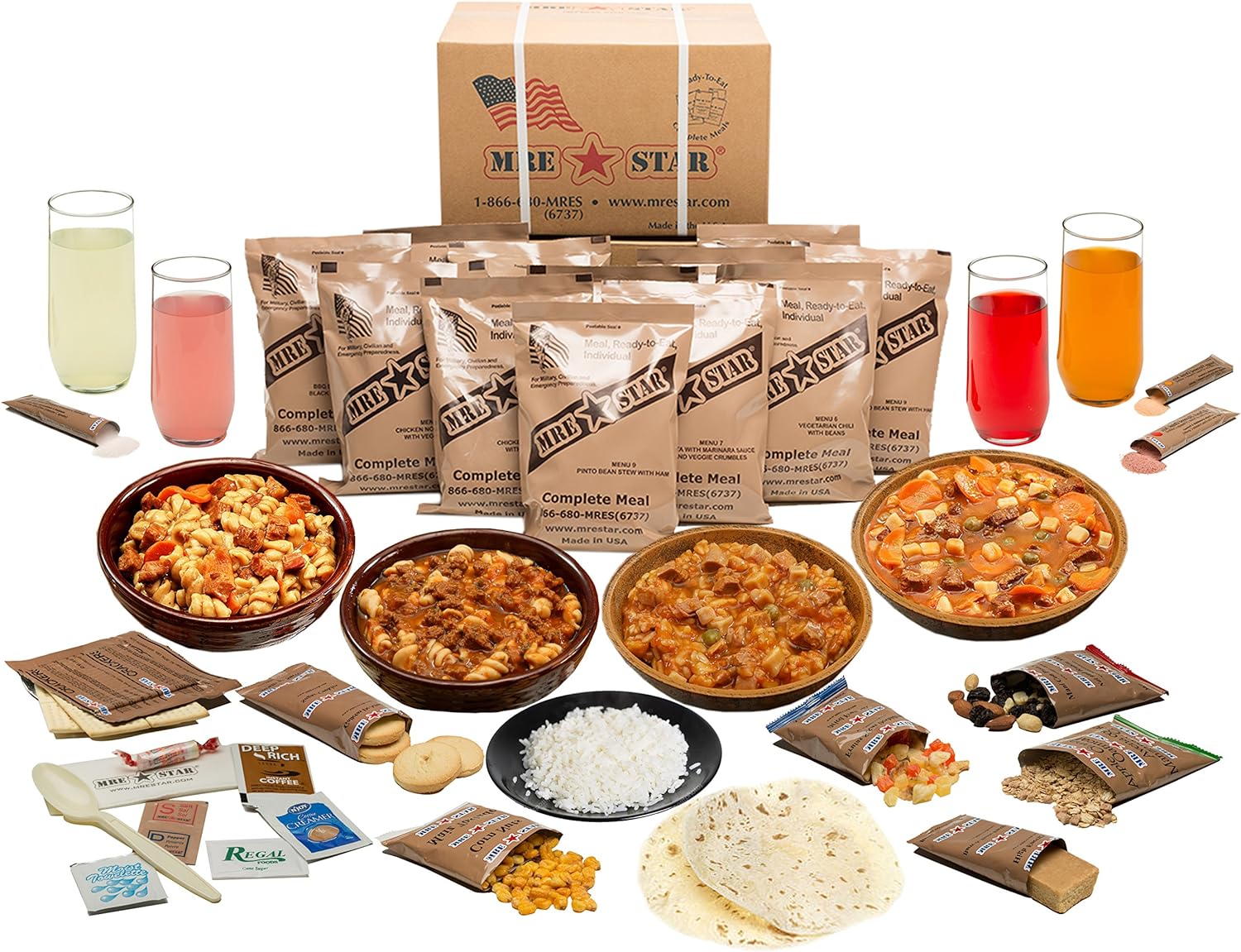
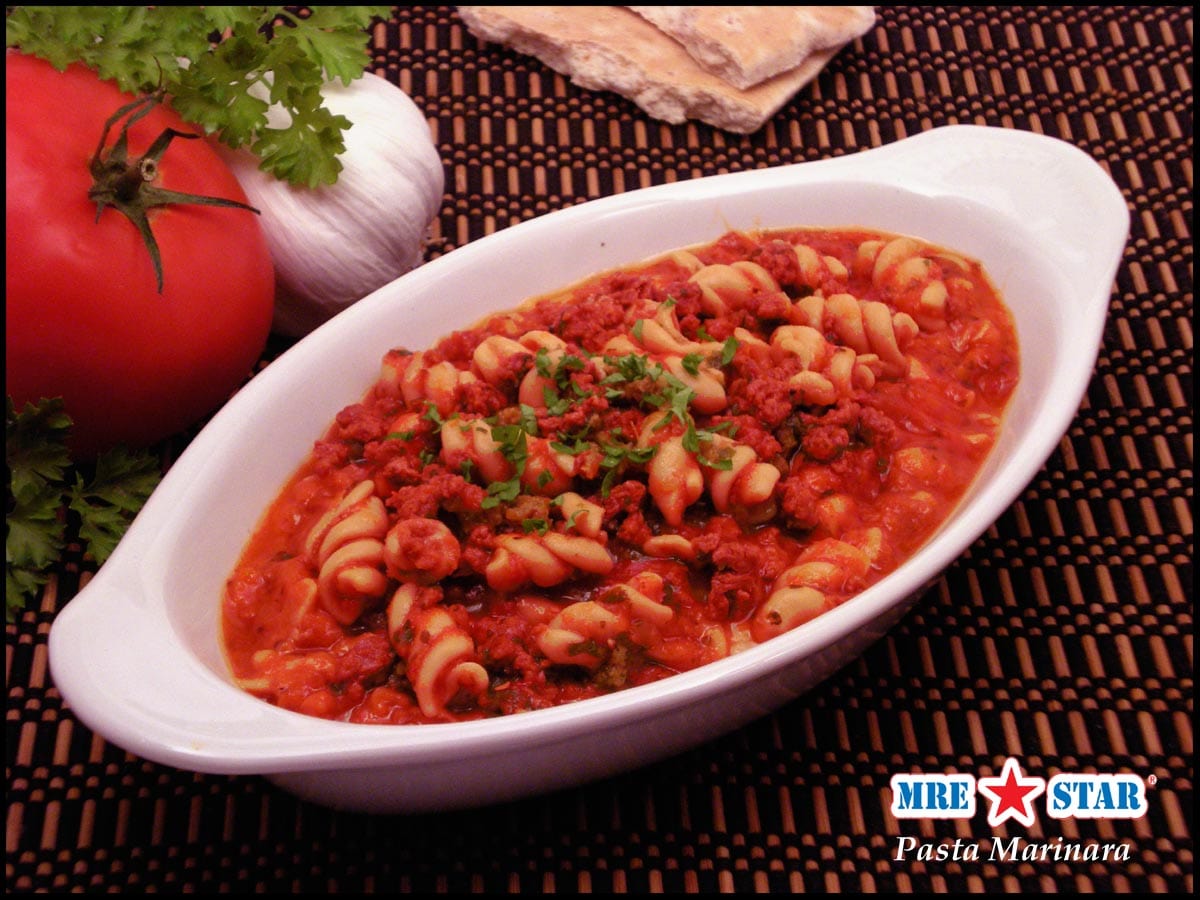
Everyday pantry foods should do most of the work, but a small supply of ready-to-eat meals can cover power outages, evacuation, or days when refrigeration and cooking are unavailable. Choose foods your household will actually eat, note dietary needs, and rotate them according to the manufacturer’s storage guidance. For planning help, see our Emergency Food Guide, estimate quantities with How Much Emergency Food Should I Store?, or read the Complete Guide to MREs.
MRE STAR M-018H
Complete shelf-stable meals with flameless ration heaters for a straightforward emergency-food option.
View M-018H mealsMRE STAR Vegetarian
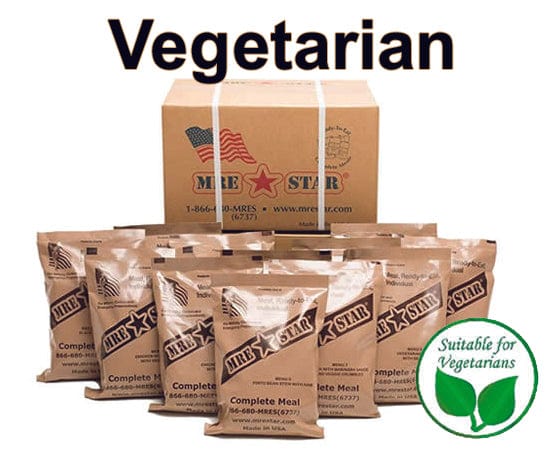
A complete-meal assortment for households that want a meat-free backup option.
View vegetarian mealsMRE STAR No Gluten
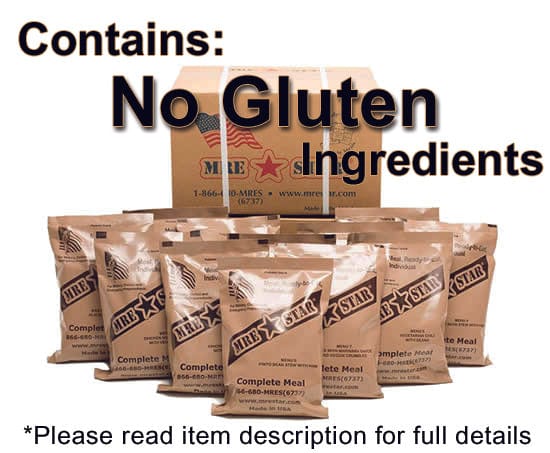
A no-gluten-labeled meal option. It is not certified gluten-free; people with celiac disease or severe allergies should review current labels and cross-contact information.
View no-gluten mealsFrequently Asked Questions
Should I wash produce as soon as I get home?
For many berries, grapes, and vegetables, extra surface moisture can speed deterioration. Store them dry and rinse under running water before preparing or eating. If you wash ahead for convenience, dry thoroughly and refrigerate promptly.
Is freezer burn dangerous?
No. Freezer burn is a quality problem caused by air reaching the food. Trim affected areas if desired and improve wrapping next time. Food continuously held at 0°F remains safe, although texture and flavor decline over time.
Can I freeze food on its “use by” date?
Usually, if it has been handled safely and still shows no spoilage—but earlier is better for quality. Date labels do not undo unsafe storage, so follow the appropriate refrigerator time for that food.
What is the safest way to organize raw meat?
Keep it sealed in a leakproof tray or container on the bottom shelf, separate from foods eaten without further cooking. Freeze it if you will not cook it within its recommended refrigerator window.
The Bottom Line
Groceries last longer when storage decisions are simple and repeatable: keep cold food cold, manage moisture, separate incompatible foods, label what you open, and freeze extras early. Those habits save more food—and protect your household better—than viral tricks with uncertain results.
Once your everyday system is working, strengthen it with a modest shelf-stable reserve and a plan for outages. Browse more practical checklists in our Preparedness Guides.