Imagine opening your freezer on a busy evening and finding dinner already prepared.
No last-minute trip to the grocery store. No trying to decide what to cook after a long day. No relying on takeout simply because you ran out of time.
That is the advantage of freezer cooking.
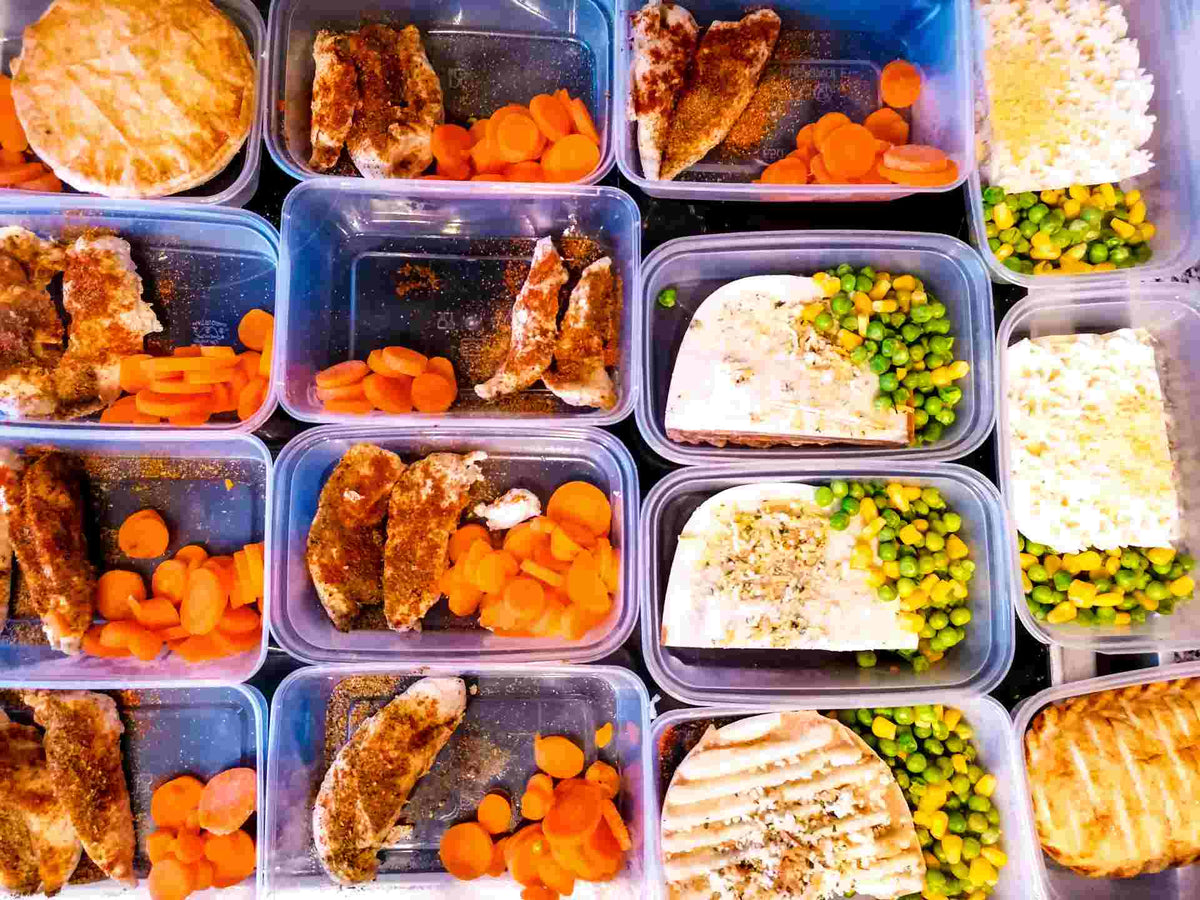
Instead of preparing every meal from scratch each day, you prepare multiple meals in a single organized cooking session and freeze them for later.
With careful planning, you can prepare enough dinners for several weeks—or even roughly a month—in a single dedicated cooking day.
This guide explains how to plan your menu, shop efficiently, organize your kitchen, batch-cook safely, package meals correctly, and build a freezer inventory that actually gets used.
Important: A “month of freezer meals” does not necessarily mean cooking 30 completely different dinners. A much more practical approach is to make several recipes in multiple portions—for example, 10 recipes with 3 meals of each.
What Are Freezer Meals?
Freezer meals are meals or meal components prepared in advance and stored frozen until you are ready to cook, reheat, or finish them.
They generally fall into three categories.
Fully Cooked Freezer Meals
These are cooked completely before freezing and simply need to be thawed and reheated.
Examples include:
- Soups
- Stews
- Chili
- Lasagna
- Meatballs
- Cooked casseroles
- Breakfast burritos
Assemble-and-Cook Meals
The ingredients are assembled in advance but cooked later.
Examples include:
- Marinated chicken
- Slow-cooker meal kits
- Unbaked casseroles
- Seasoned meat mixtures
Frozen Meal Components
Instead of freezing an entire dinner, you prepare useful components that can be combined quickly later.
Examples include:
- Cooked rice
- Beans
- Shredded chicken
- Cooked ground beef
- Tomato sauce
- Pancakes
- Muffins
- Chopped vegetables
A combination of all three approaches usually provides the most flexibility.
Why Make Freezer Meals?
Freezer cooking can help households manage several everyday challenges.
Save Time
You chop onions once, brown several pounds of meat at once, wash equipment fewer times, and prepare multiple meals during the same session.
Reduce Food Waste
Ingredients purchased in larger quantities can be divided among several recipes rather than being forgotten in the refrigerator.
Reduce Last-Minute Takeout
A prepared dinner in the freezer gives you another option when you do not have time or energy to cook from scratch.
Make Grocery Shopping More Predictable
Meal planning before shopping helps you buy ingredients with a specific purpose.
Create a Household Food Buffer
A freezer stocked with prepared meals can also be useful during:
- Busy workweeks
- Illness
- Family emergencies
- Unexpected schedule changes
- Temporary difficulty shopping or cooking
Freezer meals are not long-term emergency food because they depend on electricity, but they can be one useful layer of household food preparedness.
How Many Meals Should You Make?
Before planning 30 meals, decide what “a month” actually means for your household.
You may not need 30 freezer dinners.
For example, your household may:
- Eat leftovers one night each week
- Eat out occasionally
- Cook fresh meals on weekends
- Use freezer meals mainly on busy weekdays
In that situation, 16 to 24 freezer dinners may cover most of a month.
A practical beginner target is often 20 to 30 meal portions rather than 30 unique recipes.
The Simplest One-Day Freezer Meal Strategy
Instead of preparing 30 different recipes, choose approximately:
- 8 to 10 recipes
- 2 to 4 freezer portions of each
For example:
| Recipe | Freezer Meals |
|---|---|
| Beef chili | 3 |
| Chicken curry | 3 |
| Lasagna | 3 |
| Chicken fajita filling | 3 |
| Beef stew | 3 |
| Meatballs and sauce | 3 |
| Chicken pesto pasta bake | 3 |
| Breakfast burritos | 6 breakfasts |
This creates variety without requiring you to manage 30 unrelated recipes in one day.
Step 1: Check Your Freezer Space

Do this before buying groceries.
Remove old food, identify items to use, and determine how much usable freezer space you actually have.
You may discover that the freezer can hold 20 flat freezer bags but only six large casserole pans.
This should influence your meal plan.
Step 2: Take Inventory
Check your:
- Refrigerator
- Freezer
- Pantry
- Spice cabinet
Write down ingredients you already have that can be used in your batch-cooking plan.
This prevents duplicate purchases and can help you use food before it goes to waste.
Step 3: Choose Freezer-Friendly Recipes
Some foods freeze much better than others.
Good freezer-meal candidates include:
- Soups
- Stews
- Chili
- Curries
- Tomato-based sauces
- Lasagna
- Meatballs
- Burritos
- Cooked beans
- Marinated meats
- Casseroles
- Pancakes and waffles
Some foods may be safe to freeze but lose desirable texture after thawing. USDA notes that foods such as mayonnaise, cream sauces, and lettuce do not freeze particularly well.
Plan meals around foods that are both safe to freeze and enjoyable after thawing.
Step 4: Build Recipes Around Shared Ingredients
This is one of the biggest time-saving tricks.
Choose recipes that use overlapping ingredients.
For example, several meals might use:
- Onions
- Garlic
- Bell peppers
- Chicken
- Ground beef
- Tomato sauce
- Beans
- Cheese
- Rice
If six recipes require diced onions, chop all of the onions at once instead of returning to the cutting board six separate times.
Step 5: Create One Master Shopping List
Combine all recipes into one ingredient list.
Organize the shopping list by store section:
- Produce
- Meat
- Dairy
- Frozen foods
- Canned goods
- Dry goods
- Spices
- Packaging
Be sure to include:
- Freezer bags
- Freezer-safe containers
- Foil pans if needed
- Labels
- Permanent marker
Step 6: Shop Before Cooking Day
Whenever possible, do your major grocery shopping the day before.
Trying to complete a large grocery trip and cook an entire month's worth of meals on the same day adds unnecessary fatigue.
When you return from shopping:
- Refrigerate perishable food promptly
- Organize ingredients by recipe
- Clear refrigerator and freezer space
- Set aside shelf-stable ingredients for cooking day
Step 7: Make a Production Plan
A freezer-cooking day should operate more like a small-kitchen production line than like preparing one dinner after another.
Do tasks in groups.
Prep All Produce Together
Wash and prepare vegetables according to your recipes.
For example:
- Dice all onions
- Chop all peppers
- Mince garlic
- Slice carrots
- Prepare herbs
Cook Similar Proteins Together
If several recipes require browned ground beef, cook a large batch and divide it afterward.
The same principle can work with:
- Shredded chicken
- Roasted vegetables
- Rice
- Beans
- Tomato sauce
Use Multiple Appliances
Your oven, stovetop, slow cooker, pressure cooker, or other equipment may allow several components to cook simultaneously.
The key is to avoid creating more active cooking stations than you can safely supervise.
Sample One-Day Freezer Cooking Schedule
Adapt the timing to your recipes and household, but a workflow might look like this:
| Stage | Task |
|---|---|
| Start | Clear counters, wash hands, set out equipment, organize ingredients. |
| Prep | Chop vegetables, prepare sauces, measure seasonings. |
| Batch Cooking | Brown meats, cook grains, prepare sauces and soups. |
| Assembly | Build casseroles, portion meal components, assemble uncooked freezer meals. |
| Cooling | Cool cooked food promptly in appropriate shallow containers. |
| Packaging | Seal, label, date, and add cooking instructions. |
| Finish | Freeze meals, update inventory, clean kitchen. |
Step 8: Follow Safe Food-Handling Practices
Batch cooking means handling much larger quantities of food than an ordinary dinner, which makes food-safety organization especially important.
Wash your hands, utensils, work surfaces, and cutting boards as necessary, and avoid cross-contamination between raw meat and ready-to-eat ingredients.
Use a food thermometer when cooking foods that require a safe minimum internal temperature.
FoodSafety.gov emphasizes that foods should be cooked to appropriate internal temperatures and stored correctly to reduce foodborne illness risks.
Step 9: Cool Cooked Food Promptly
Do not leave large pots of cooked food sitting at room temperature for hours while you finish the rest of your cooking session.
USDA advises refrigerating or freezing perishable leftovers within two hours—or within one hour when temperatures are above 90°F (32°C). USDA also recommends dividing food into shallow containers so it cools more quickly and evenly.
For large batches:
- Divide food into smaller portions
- Use shallow containers
- Avoid leaving food at room temperature for extended periods
- Move portions into refrigeration or freezing promptly
Step 10: Use Proper Freezer Packaging
Packaging helps protect frozen food from:
- Air exposure
- Moisture loss
- Odors
- Freezer burn
- Physical damage
Useful options include:
- Freezer-grade bags
- Rigid freezer-safe containers
- Freezer-safe glass containers
- Disposable foil pans where appropriate
Choose the packaging based partly on how you plan to reheat the food.
Do not assume every freezer container can also go directly into a microwave or oven. Follow the manufacturer's instructions for the container.
Freeze Bags Flat to Save Space
Soups, sauces, marinades, and similar foods can often be frozen flat in properly sealed freezer bags.
Once frozen solid, the packages can sometimes be stacked vertically like files.
This makes:
- Meal identification easier
- Freezer organization easier
- Thawing faster
- Better use of limited space
Step 11: Label Everything
Do not assume you will remember what is inside a frozen container six weeks from now.
Every freezer meal should ideally include:
- Meal name
- Date prepared
- Number of servings
- Cooking or reheating instructions
- Any ingredients that must be added later
For example:
Chicken Chili — Sept. 20 — Serves 4 — Thaw overnight in refrigerator. Reheat thoroughly on stovetop. Add cheese after heating.
Step 12: Keep a Freezer Inventory
A freezer full of meals is not especially useful if you forget what is inside.
Keep a simple list on:
- The freezer door
- A kitchen clipboard
- Your phone
- A spreadsheet
For example:
| Meal | Quantity |
|---|---|
| Beef Chili | 3 |
| Lasagna | 2 |
| Chicken Curry | 3 |
Cross off meals as they are used.
How Long Do Freezer Meals Last?
This is an important distinction between safety and quality.
FoodSafety.gov states that food kept continuously frozen at 0°F (-18°C) or below can remain safe indefinitely. Recommended freezer storage times generally refer to maintaining optimal flavor, texture, and quality.
Examples from federal cold-storage guidance include:
- Soups and stews: about 2 to 3 months for best quality
- Cooked meat or poultry leftovers: about 2 to 6 months
- Egg casseroles: about 2 to 3 months
- Pizza: about 1 to 2 months
These times vary by food, so check current FoodSafety.gov or USDA guidance for specific items.
Keep Your Freezer at 0°F (-18°C)

USDA recommends maintaining a freezer temperature of approximately 0°F (-18°C) for frozen food storage.
A simple appliance thermometer can help you verify that your freezer is maintaining the correct temperature.
How to Thaw Freezer Meals Safely
A practical default is to move tomorrow's meal from the freezer into the refrigerator the night before.
Depending on the food and cooking instructions, some meals may also be reheated or cooked directly from frozen.
Avoid leaving perishable food on the kitchen counter for extended periods simply to thaw.
Always follow safe thawing and reheating instructions appropriate to the specific meal.
Foods That Work Especially Well for Freezer Cooking

Breakfast
- Pancakes
- Waffles
- Breakfast burritos
- Muffins
- Baked oatmeal
Lunch and Dinner
- Lasagna
- Chili
- Meatballs
- Stews
- Curries
- Chicken pot pie
- Pasta bakes
- Enchiladas
- Burritos
- Cooked shredded meats
Useful Components
- Cooked beans
- Rice
- Tomato sauce
- Cooked ground meat
- Shredded chicken
- Bread
- Some baked goods
Foods That May Not Freeze Well
Freezing does not necessarily make food unsafe, but texture can change substantially.
Foods that may be disappointing after freezing include:
- Fresh lettuce and salad greens
- Some cream-based sauces
- Mayonnaise-based preparations
- Some raw vegetables intended to remain crisp
- Foods with delicate fried coatings
If you are unsure, freeze a small test portion before preparing a month's worth.
A Better Way to Add Variety
If eating the same meal three times sounds repetitive, freeze versatile components instead.
For example, one large batch of shredded chicken could later become:
- Chicken tacos
- Chicken soup
- Chicken quesadillas
- Chicken pasta
- Chicken rice bowls
This provides the efficiency of batch cooking without making every future meal identical.
Use the “Cook Once, Freeze One” Method
If an entire freezer-cooking day feels overwhelming, build your freezer gradually.
Whenever you prepare a freezer-friendly dinner:
- Double the recipe.
- Eat one portion tonight.
- Freeze the second portion.
After doing this several times, you can build a substantial freezer inventory with very little extra work.
Freezer Meals and Emergency Preparedness
A freezer full of prepared food can help during ordinary disruptions such as illness, schedule changes, or temporary difficulty shopping.
However, frozen food depends on reliable electricity.
For broader household preparedness, it is useful to combine frozen food with shelf-stable foods that do not depend on refrigeration.
Examples include:
- Canned foods
- Dry staples
- Ready-to-eat foods
- Dehydrated foods
- Other shelf-stable meals
Our Emergency Food Guide explains how different storage methods can work together as part of a household food plan.
You can also use our How Much Emergency Food Should I Store? guide when planning a longer-term reserve.
Common Freezer Cooking Mistakes
Trying to Make Too Many Different Recipes
Thirty unique meals can create unnecessary complexity. Repeat recipes and use shared ingredients.
Not Checking Freezer Space First
Thirty prepared meals are not helpful if only 12 fit in your freezer.
Forgetting Labels
Many frozen soups and casseroles look remarkably similar.
Freezing Food You Do Not Normally Eat
A freezer meal only saves money if someone eventually eats it.
Ignoring Cooling Time
Large-batch cooking creates large quantities of hot food. Divide cooked food into manageable portions and cool it promptly.
Forgetting the Side Dishes
If a freezer entrée needs rice, tortillas, bread, vegetables, or another accompaniment, note that on the label and keep those ingredients available.
Overfilling Containers
Some foods expand when frozen. Leave appropriate space where needed and follow container instructions.
Frequently Asked Questions
Can you really make a month of meals in one day?
Yes, especially if you define a month's supply as multiple portions of approximately 8 to 10 recipes rather than 30 different dishes. Careful planning and shared ingredients make the process much more manageable.
Are frozen meals safe for a month?
Yes, when they are prepared safely and remain continuously frozen at 0°F (-18°C) or below. In fact, federal guidance states that continuously frozen foods can remain safe indefinitely, although their quality eventually declines.
Should food be completely cold before freezing?
Do not leave cooked food at room temperature for hours waiting for it to become completely cold. USDA advises promptly refrigerating or freezing perishable leftovers and dividing large amounts into shallow containers to speed cooling.
Can I freeze meals in ordinary storage bags?
Use packaging intended for freezer storage. Freezer-grade materials are better suited to protecting food against moisture loss and air exposure during storage.
What is the easiest freezer meal for beginners?
Soups, chili, meat sauce, cooked meatballs, casseroles, and breakfast burritos are often convenient starting points.
Is freezer cooking cheaper?
It can be, particularly when you buy useful ingredients in larger quantities, reduce food waste, and replace some takeout meals. Savings depend on the recipes and ingredients you choose.
Final Thoughts
Making a month of freezer meals in one day sounds ambitious, but the key is not cooking 30 elaborate dinners from beginning to end.
The real strategy is batching.
Choose a manageable number of freezer-friendly recipes. Use overlapping ingredients. Prepare similar ingredients together. Cook in large batches. Portion everything appropriately. Cool cooked foods promptly. Label every meal.
Once the freezer is stocked, those few hours of planning and cooking can save time repeatedly over the following weeks.
And if preparing an entire month in one day seems like too much, start smaller.
Prepare one week's worth of meals first—or simply double tonight's dinner and freeze half.
A useful freezer inventory does not have to appear overnight. Like most preparedness systems, it can be built one practical step at a time.
Continue building your household food plan:
- Emergency Food Guide — Compare frozen, canned, dry, dehydrated, and other food-storage options.
- How Much Emergency Food Should I Store? — Estimate an appropriate reserve for your household.
- Complete Guide to MREs — Learn how shelf-stable complete meals can complement other stored foods.
- Preparedness Guides — Explore Prepared Bee's complete household preparedness library.