

Reality check. When something goes wrong, it rarely gives you time to think it through.
This can be something like the early days of the COVID-19 pandemic or something closer to home, like a sudden blackout, a water outage, or a last-minute evacuation notice.
One minute you are going about your day, the next you are trying to figure out what matters and what to do first. Most people think they will handle it calmly. Somehow, we all do, right?
They imagine themselves making decisions and staying focused, maybe even helping others. So, yes, it feels believable when everything is still normal.
When things actually shift, that calm "version" of you does not always show up. You see people refreshing the news over and over, second-guessing choices, or rushing into decisions that do not really make sense.
Think about how shelves emptied during the COVID-19 pandemic. People were not planning to handle the pandemic. They saw others panic. Followed along even if they did not fully understand why they were doing so.
The gap between what we think we will do and what we actually do during emergencies is where problems start. Because in moments like this, it is not about what you have at home or how much you stocked up.
It comes down to how you think under pressure, how you deal with uncertainty, and whether you have already decided your move before things get messy during emergencies.
IN THIS ARTICLE, we will talk about what happens in your mind during emergencies, why so many people freeze or panic during emergencies, and what separates those who stay steady from those who do not during emergencies. More importantly, we will break down simple ways you can train yourself to respond better to emergencies.
What Happens in Your Brain During an Emergency

The moment your brain senses real danger, everything changes. This can happen during a disaster, a car accident, or any sudden crisis in which you feel your safety is at risk.
• Your brain goes into survival mode right away.
The part of your brain that reacts first is called the amygdala. Its job is to spot danger and react fast. It doesn't stop to think or weigh options. It just makes your body act. Your heart beats faster. You breathe differently. Your body gets ready to act.
• The prefrontal cortex tones down.
At the time, the part of your brain that handles logic and decision making, called the prefrontal cortex, becomes less active. That's why people do things that don't seem like them. You're not being irrational. Your brain is just trying to protect you as fast as possible.
This is where the fight, flight, or freeze response comes in. Some people act away. Some try to get. Others feel stuck. All of these are reactions to danger. The problem is how they play out in life.
• When you're panicking, you can't focus on much. You get tunnel vision.
Miss important details. It's harder to make decisions, simple ones. You struggle with movements, which is why even basic first aid can feel hard if you've never practiced it before. People can feel overwhelmed, confused, or unsure of what to do
This is why some people are prepared, and others panic. It's not always about being smart or strong. It's about how your brain and body react when you're stressed.
• Panic is not a failure, on your part. It's your biology doing its job.
But yes, biology is not the only story. Training, being prepared, and even simple practice can change how you respond. Your body can take over when thinking feels slow.
Familiar actions can make you feel more in control. The more you prepare, the less your brain has to figure things out when you're stressed.
That's where the real difference starts to show. So, why do some people stay calm, aware, and act confidently while others get scared, feel afraid, and struggle to respond? Let’s get into it more.
Prepared vs Panicked: The Psychological Differences
|
Situation |
Prepared Response |
Panicked Response |
|
Sudden emergency alert |
Acknowledge and follow a plan |
Feel confused and search for answers |
|
Natural disaster warning |
Prepare early and secure basics |
Wait, then rush when it feels urgent |
|
Car accident nearby |
Assess, call for help, give basic first aid if trained |
Freeze or act without clear thinking |
|
Resource shortage |
Rely on stored supplies |
Join crowds and compete for limited items |
|
High stress moment |
Focus on the next step |
Feel overwhelmed and lose focus |
When people talk about emergencies, they usually think of tools and supplies. What really makes a difference is how people think and act when something bad happens.
This is where you can see a difference between people who are prepared and people who panic. Most people do not do well in emergencies because they do not know how to think and make good decisions.
Let's look at people who're prepared for emergencies.
They are not special or anything. They just have a way of thinking that helps them stay calm. They think about what might happen and what they would do if it did happen.
It is like they have a plan in their head. If this happens, I will do that. If I hear that, I will go there. It sounds easy. It really helps because they are not surprised when something bad happens.
Because they have thought about what might happen, they do not feel as scared or overwhelmed when something sudden happens. They are still afraid.
They can control their fear. They can think clearly, make decisions faster, and act with more confidence. When they know what to do, they are not as scared.
Now, let's look at someone who is panicking.
The biggest problem for them is that they do not know what to do. They are trying to figure everything out at the time. What is happening, what should I do, who should I listen to?
They do not have a plan, so they do not know what to do. Some people just do nothing. Others do things without thinking. That can make things worse.
This is also when people start to do what the crowd is doing. When people are unsure what to do, they look to others for guidance.
If everyone is running, they run too. If people are taking things, they do the same. It feels like they are doing something. They are really just reacting without thinking.
It all comes down to one thing: feeling like you are in control.
When people know what to do and are prepared, they feel in control, even in a bad situation. That helps them stay calm.
When they do not know what to do and feel lost, they panic. Their brain thinks they are in danger and doesn't know what to do, so they get even more scared.
The good news is that this gap is not fixed. With practice, awareness, and simple steps, people can actually train their trust. And sooner or later, they can build that sense of control.
Real-World Example: COVID-19 Panic Buying
A clear example of how people respond in a crisis is the COVID-19 pandemic. You probably remember it. Shelves went empty overnight.
Basic items like food, cleaning supplies, and especially toilet paper disappeared fast. People were buying more than they needed, not because they had a plan. Because everyone else was doing it.
On a normal day, most people wouldn't act like that. This wasn't a normal moment. There was a threat, a lot of uncertainty, and not much clear direction at the start.
That mix pushed people's brains into a stress response. Of course, then, fear played a role. People didn't know how bad things would get, how long it would last, or if resources would run out.
That lack of information made it hard to make decisions. When people's brains feel unsure, they look for ways to feel safe again. This is where social influence comes in.
People look around. Take cues from others. If you walk into a store and see shelves, your brain says "danger". If you hear others talking about stocking up, it adds pressure.
So, even if you were calm at first, your response can change fast. You react by thinking things through.
This is what panic buying really is. It's not planned. It's an emotional reaction with limited information. It feels like taking control. It often leads to overbuying, wasted resources, and more stress for the community.
Now compare that to people who were prepared. They didn't need to rush. They already had enough at home because they took steps in advance. Their focus was on staying safe, staying calm, and adjusting as needed.
That is the difference between prepared and panicked people. Most people fail in emergencies because they don't prepare.
Prepared people reduce urgency before a crisis even starts. Panicked people feel forced to act when everything already feels extreme.
Once that urgency hits, it's harder to slow down, think clearly, and make better choices. That is the pattern. Being prepared gives you space to think. Panic takes that space away.
Why Most People Fail in Emergencies

When you look at situations, people usually fail in emergencies because of certain patterns. It is not about being smart or not. It is about how people react when they are stressed.
1. First is the lack of pre-decision.
If you have not thought about what to do in advance, your brain has to think of everything on the spot. That might sound okay on a day, but during a real emergency, your thinking slows down. You feel confused and even overwhelmed.
2. Second is information overload.
Simple choices start to feel very hard. During a crisis, many things happen at once. There is news, messages, and people talking. Different people give advice. The brain struggles to process everything. It is hard to make decisions.
3. Third is emotional contagion.
When people around you are scared, your body reacts too. You start to feel their fear even if you were calm at first. This is why groups of people can make decisions, especially in crowded or very stressful situations.
4. Fourth is overconfidence.
Some people think emergencies only happen to others. They do not prepare. And so, when something unexpected happens, such as a disaster or a nearby car accident, they are not ready.
5. Fifth is dependence on systems.
People assume that services, supplies, and help will always be available. In real emergencies, though, things get delayed. Resources become limited. That gap creates stress and a sense of urgency. This is why most people fail in emergencies.
The Prepared Mindset: Training Your Mind Before a Crisis
The good thing is that emergency preparedness can be trained. So, yes, you do not need to be an expert.
Start with mental rehearsal.
Take a few minutes to imagine types of emergency situations. For example, a blackout, an evacuation, or even a car breaking down at night.
Think about what you would do, where you would go, and who you would contact in each emergency situation. This builds familiarity with emergency situations so your brain does not feel shocked when something actually happens.
Next is simplifying decisions.
You want to remove guesswork in an emergency. Decide ahead of time what matters most in an emergency situation.
Where is your safe place in an emergency situation? What resources will you use in an emergency situation? What does your family need first in an emergency situation?
When you already have answers to these questions, your response to an emergency situation becomes faster and calmer.
Stress exposure also helps.
This does not mean putting yourself in danger. It can be small things like emergency drills, timed tasks, or practicing basic first aid.
These activities build muscle memory. When you are in an emergency and stress hits, your body knows what to do without overthinking.
It also helps to shift your focus.
Instead of asking what if something bad happens in an emergency situation, ask what you will do if it does happen in an emergency situation.
Honestly, even that small change builds a sense of control. Reduces anxiety about emergency situations.
Finally, build habits.
Emergency plans are useful. Habits are stronger. When emergency preparedness becomes a habit, your brain follows it even under pressure.
That is what helps people stay calm, act with confidence, and protect themselves and their community in an emergency situation.
Physical Preparedness Supports Mental Calm
It really helps to be honest about this. Staying calm is not about your mindset. It is also about what's actually in front of you.
If your basic needs like food and water are covered, your brain has less to worry about. During the COVID-19 pandemic, people were not just reacting to the virus. They were reacting to shelves, long lines, and the fear of running out of food.
That pressure builds up fast. It affects your emotions, your focus, and the decisions you make in the moment.
When you do not feel secure about water, food, or basic medical needs, your brain stays in mode all the time. You keep thinking about risk, danger. What might happen next? That is where panic starts to grow.
Now, look at someone who has prepared in ways. They have water stored. They have first aid ready for small injuries. They have food that does not depend on power or cooking. Nothing extreme enough to feel steady.
That changes everything. By NOT rushing out or reacting to what others are doing, they can pause and think about what is happening. Their body feels supported, so their mind can focus. They can decide what to do without that same level of pressure.
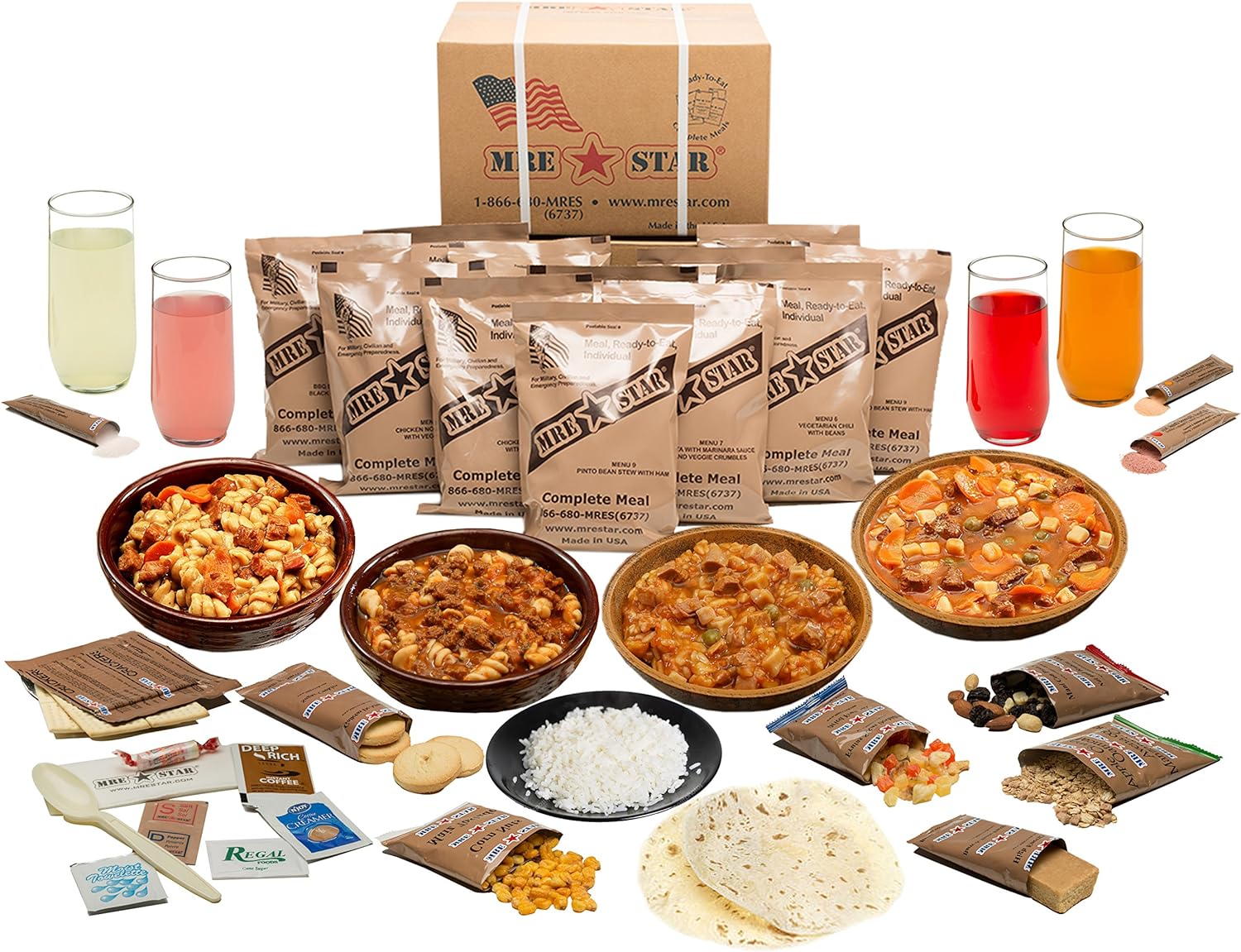
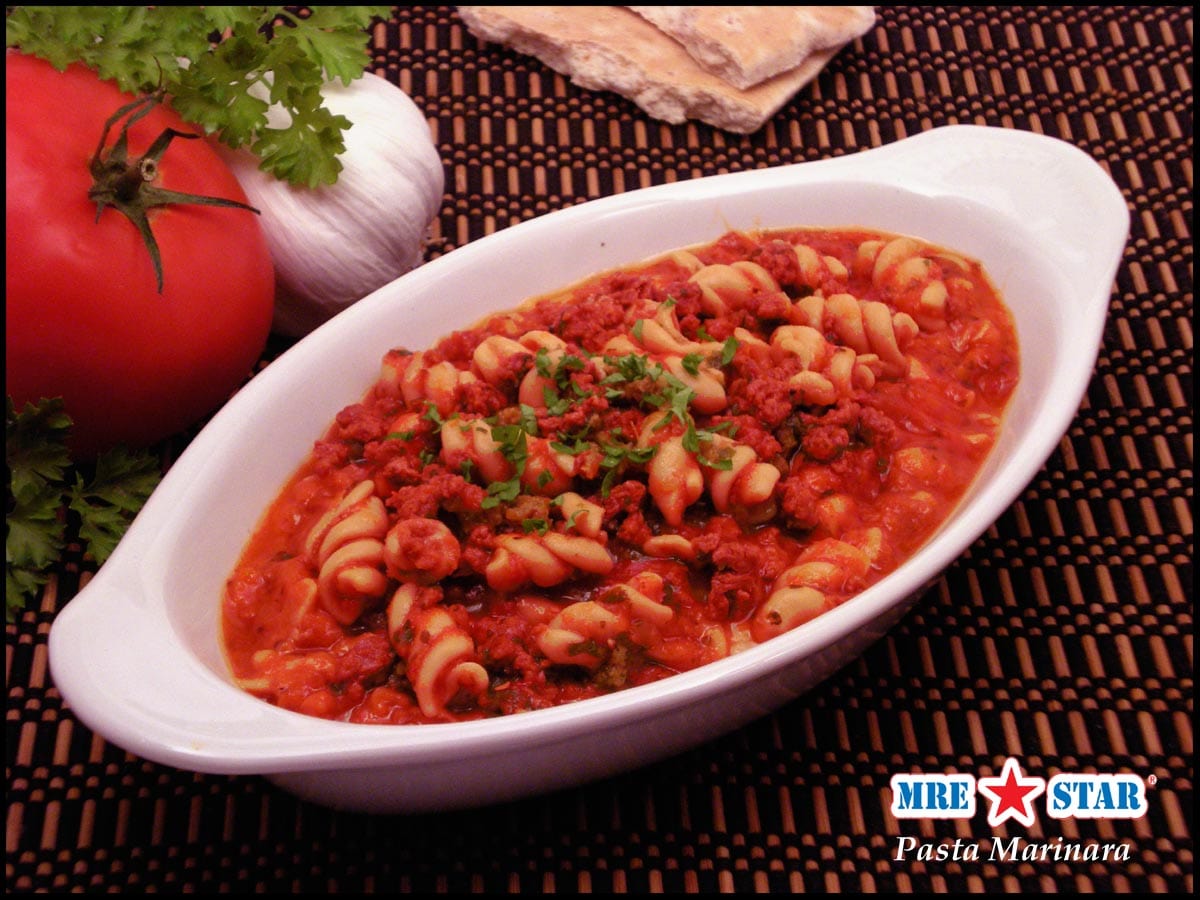
Food is a part of this. In a crisis, access to food can change quickly. Stores get crowded. Supply slows down. Even cooking can become a problem. Having something ready to eat removes one layer of stress. That is where options like MREs come in.
For example, the MRE STAR Complete Meals is built for situations like this. Meals are sealed, shelf-stable, and ready to eat with effort. Each pack is designed to provide calories and nutrients to support you when normal access to food is disrupted.
The point is not to sell you on anything. It is to show how small practical preparedness reduces uncertainty.
When you know you have what you need, your brain does not go into panic mode. That helps a lot. Because then, you can stay calm, think clearly, and respond with control.
So, yes, that is the connection. Physical preparedness supports calm. In an emergency, that difference matters more than people expect.