A doomsday preparations checklist is really an all-hazards emergency plan: a practical way to prepare for power outages, severe weather, evacuation, disrupted water service, and other events that interrupt daily life. You do not need an underground bunker or a large budget. Start with a household communication plan, reliable water, ready-to-eat food, essential medication, and a safe way to receive updates.
This evergreen checklist covers what to prepare first, how to build a home emergency supply, when to evacuate, and how to grow from a basic three-day kit toward a more resilient household. Prioritize the hazards and needs that apply to your location and family.
Quick Start: Your First 10 Preparedness Steps
- Identify local hazards and sign up for official emergency alerts.
- Choose two family meeting places and an out-of-area contact.
- Write down evacuation routes and shelter locations.
- Store at least one gallon of drinking and basic hygiene water per person per day for three days; build toward a longer reserve if practical.
- Set aside at least three days of nonperishable food for each household member.
- Assemble first aid supplies and a plan for necessary prescription medications.
- Prepare flashlights, batteries, charging banks, and a battery or hand-crank radio.
- Keep copies of important documents and some small-denomination cash.
- Pack an evacuation bag for each person, including pet or infant needs.
- Review and practice your plan with everyone in the household.
What Does Doomsday Preparedness Actually Mean?
“Doomsday prepping” is often associated with extreme scenarios, but the most useful preparedness habits address ordinary disruptions first: a storm that cuts electricity, a wildfire evacuation notice, a prolonged water outage, or a road closure that separates family members.
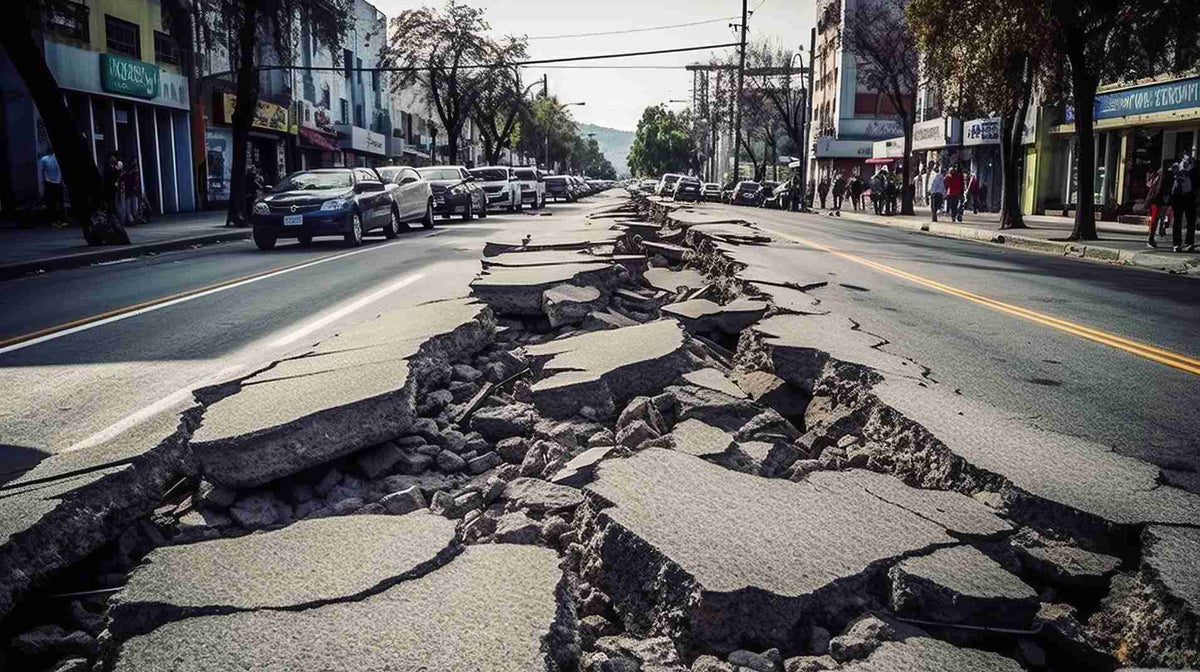
Plan for likely hazards rather than trying to predict one particular catastrophe. Flooding, earthquakes, hurricanes, winter storms, extreme heat, and wildfires call for different decisions. Learn your local evacuation zones, building risks, utility shutoffs, and official alert channels. For more general planning topics, browse the Prepared Bee Preparedness Guides.
1. Make a Family Emergency Communication Plan
Communication systems may be overloaded or unavailable during a disaster. Agree in advance on what everyone should do if they cannot call one another.
- Contacts: Keep an out-of-area contact who can relay messages, plus printed emergency contact information.
- Meeting points: Select one location near home and a second outside your neighborhood.
- Alerts: Enable emergency alerts on phones and identify local radio or government information sources.
- School and work: Know reunification procedures for children and family members who may be away from home.
- Backup power: Charge power banks and keep appropriate charging cables ready.
A battery-powered or hand-crank radio can provide updates when internet service fails. Satellite communication equipment or amateur radio may be useful for some households, but they are optional and may require subscriptions, training, or licensing.
2. Decide When to Shelter at Home or Evacuate

Sheltering at Home (Bugging In)
Staying home may be appropriate if the structure is safe and authorities have not instructed you to leave. Make room for water, food, medications, lighting, sanitation supplies, and power for critical devices. Know how to stay warm or cool without creating carbon monoxide or fire hazards.
Evacuating (Bugging Out)
Leave when ordered to evacuate or when immediate conditions make remaining unsafe. Do not wait for a last-minute warning if your household needs extra time to move.
- Identify more than one route and a destination outside the affected area.
- Keep paper maps in case navigation service is unavailable.
- Have an easily carried bag with medication, documents, chargers, food, water, suitable clothing, and personal items.
- Plan transportation and accessible accommodations for anyone needing assistance.
- Include pet carriers, leashes, food, records, and pet-friendly lodging options.
3. Build an Emergency Food Supply
Start with foods your household already eats and can safely store. A balanced mix of ready-to-eat foods, canned meals, dried staples, and longer-term storage foods can reduce dependence on cooking fuel and refrigeration.
Short-Term Food: First Three Days
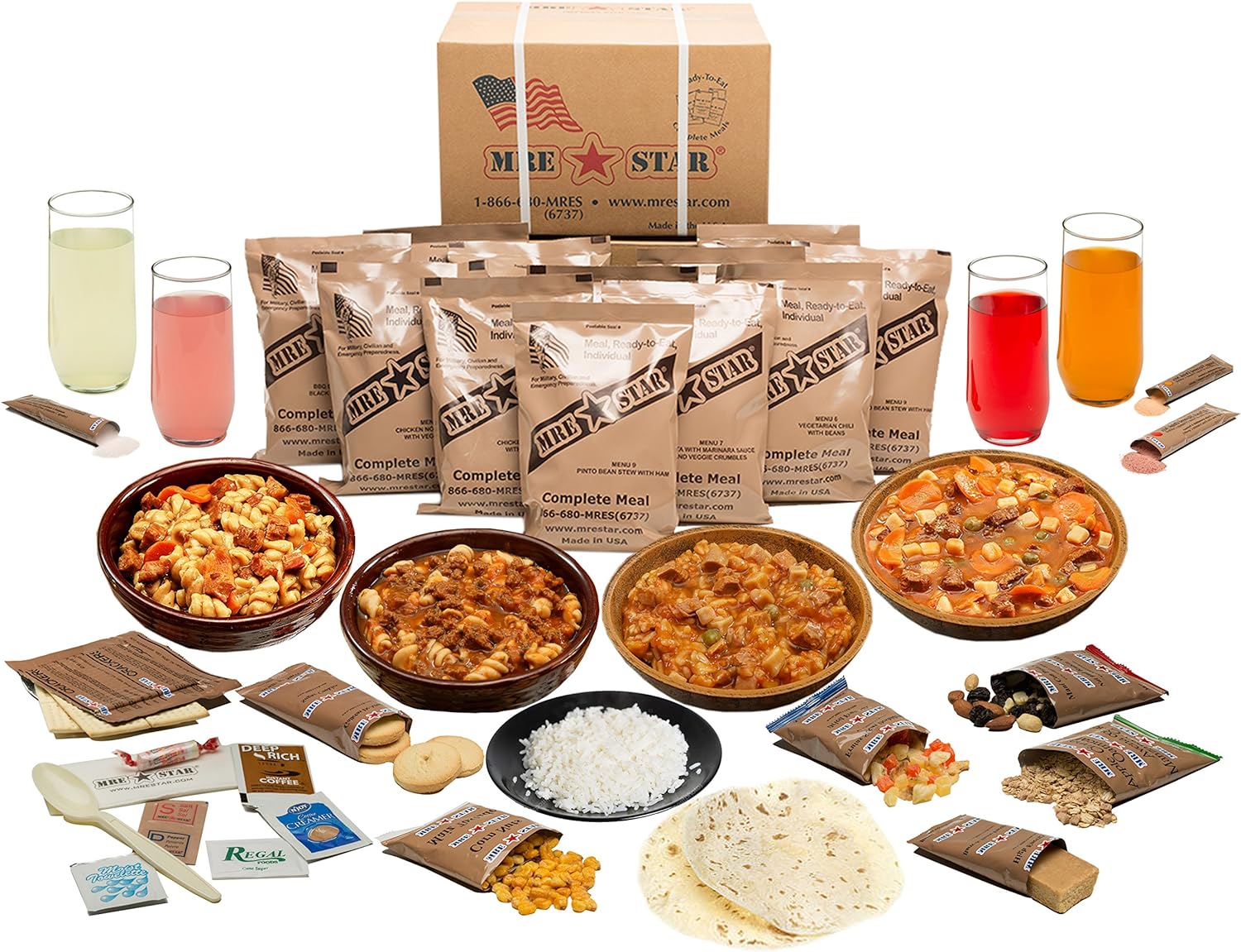
Choose foods requiring little or no cooking: canned beans, fish, fruit, nut or seed butter, crackers, shelf-stable milk, bars, and complete Meals Ready-to-Eat (MREs). Keep a manual can opener, and consider food allergies, texture needs, and infant feeding requirements.
Longer-Term Food: One to Two Weeks and Beyond
Build gradually toward a longer reserve as storage space and budget allow. Rice, pasta, oats, dried beans, properly packaged shelf-stable foods, and commercially prepared emergency meals can complement a short-term kit. Dried foods may require clean water and fuel; account for both in your plan.
Use safe, tested preservation methods. Home canning—especially low-acid foods such as vegetables and meat—requires approved pressure-canning procedures; do not improvise with untested recipes or equipment.
Where MRE STAR Fits Into Your Emergency Food Plan
Complete MREs are helpful when electricity or cooking facilities are unavailable because their cooked entrées can be eaten without reheating or rehydrating. They are convenient for evacuation bags, home emergency reserves, camping, and field use.
Explore MRE STAR M-018H complete meals with heaters or browse the MRE STAR collection. Compare full-meal contents, menu options, allergens, and storage conditions before purchasing. An MRE is one useful food option—not a substitute for water or a varied longer-term diet.
For household quantities, see How Much Emergency Food Should I Store? and the broader Emergency Food Guide.
4. Store Water and Plan for Water Disruptions
A useful starting point is one gallon of water per person per day for drinking and basic hygiene, for at least three days. More may be needed in hot conditions, during illness, or for pregnancy, children, and pets. Where feasible, build a larger water reserve.
| Household size | 3-day starting supply | 14-day planning supply |
|---|---|---|
| 1 person | 3 gallons | 14 gallons |
| 2 people | 6 gallons | 28 gallons |
| 4 people | 12 gallons | 56 gallons |
| 6 people | 18 gallons | 84 gallons |
Use commercially bottled water or clean, food-grade storage containers. Label storage dates, follow container guidance, and replace self-filled water periodically according to public-health recommendations. Protect containers from heat, chemicals, and damage.
What If Stored Water Runs Out?
Use official public-health advice for any boil-water, do-not-drink, or do-not-use notice. Treatment methods work against different contaminants. Boiling is effective against many germs, but boiling, disinfecting, and ordinary portable filtration cannot reliably make water contaminated with fuel, toxic chemicals, or radioactive materials safe. In those situations, seek another water source and follow health-department instructions.
For water suspected of microbial contamination, follow the CDC's emergency water-treatment instructions. Do not assume a generic camping filter, gravity filter, or iodine tablet makes all river, flood, or unknown-source water drinkable.
5. Prepare First Aid and Personal Medical Needs
Keep a first aid kit at home and a smaller version in each evacuation bag. Include bandages, sterile dressings, adhesive tape, gloves, antiseptic supplies, a thermometer, and any over-the-counter medications appropriate for your family. Review expiration dates and first aid training regularly.
Speak with your healthcare professional or pharmacist about keeping an emergency reserve of prescription medication when possible. List dosages, allergies, medical conditions, and key contacts. Plan for refrigerated medicines and medical devices that depend on electricity.
A first aid/CPR course can be more useful than buying specialized medical equipment you do not know how to use.
6. Prepare for Power Outages and Safe Heating
Useful backup supplies include LED lanterns, headlamps, spare batteries, rechargeable power banks, and a radio. For longer outages, consider whether a properly sized battery backup or generator is appropriate for essential equipment.
Use flashlights rather than candles where practical. Never use charcoal grills, camp stoves, or unvented fuel-burning heaters indoors. Store fuels only in suitable approved containers and locations, following local fire regulations. Do not keep spare propane cylinders or gasoline loosely in evacuation bags or inside passenger areas.
7. Assemble Essential Tools, Hygiene, and Sanitation Supplies
- Tools: Multi-tool, sturdy gloves, duct tape, utility wrench where appropriate, and basic repair supplies.
- Navigation: Printed road maps, charged GPS or offline maps, and a compass if useful for your area.
- Sanitation: Soap, hand sanitizer, toilet paper, heavy-duty trash bags, disinfecting supplies, and a backup toilet solution when plumbing is unavailable.
- Clothing: Weather-appropriate layers, sturdy shoes, blankets, and rain protection.
- Special needs: Diapers, menstrual supplies, incontinence products, eyeglasses, hearing-aid batteries, and comfort items.
- Pets: Food, water, medicines, identification, carriers, and waste supplies.
8. Protect Documents, Money, and Household Security
Store copies of identification, insurance information, medical records, property documents, and emergency contacts in a waterproof portable pouch. Keep secure digital backups where appropriate. Small-denomination cash can help during payment-network disruptions, but do not prioritize speculative assets over essential supplies and accessible emergency savings.
Basic household security starts with functioning locks, outdoor lighting, smoke alarms, carbon monoxide alarms, and knowing how to contact emergency services. Avoid escalating confrontations or taking unnecessary risks to guard property during a disaster.
9. Build Mental and Physical Resilience

Preparedness is also about practicing useful skills: recognizing alerts, safely shutting off utilities when instructed, checking on neighbors, using a first aid kit, and remaining calm when plans change.
Walk through evacuation scenarios with your family. Consider the distance you may need to walk carrying supplies, but pack bags so that each person can manage their load. For children, older adults, or people with disabilities, prioritize realistic assistance plans rather than expecting everyone to carry the same equipment.
Maintain familiar routines during prolonged disruptions where possible. Games, books, regular meals, and contact with trusted people may help support morale.
10. Put Your Preparedness Plan on a Maintenance Schedule
| When | What to check |
|---|---|
| Every month | Phone alert settings, power banks, flashlight function, emergency contacts |
| Every 6 months | Food rotation, home-filled water, medication plans, clothing sizes, bag contents |
| At least yearly | Family evacuation drill, hazard review, insurance details, equipment servicing |
| After major life changes | Addresses, school arrangements, pets, mobility needs, household size, health-related supplies |
Use manufacturer instructions for product-specific inspection, replacement, and service intervals. Review your plan before the local severe-weather or wildfire season, not only after an emergency has already begun.
Printable-Style Doomsday Preparations Checklist
- Emergency alerts enabled; local hazards identified
- Family contacts and meeting places written down
- Evacuation routes and destinations decided
- At least three days of water stored for everyone
- At least three days of accessible nonperishable food
- Manual can opener and food preparation supplies
- Medication, first aid kit, and medical information
- Flashlights, radio, spare batteries, and charged power banks
- Safe backup-power plan and carbon monoxide alarms
- Sanitation supplies, blankets, and suitable clothing
- Cash and copies of essential documents
- Go-bags ready for people and pets
- Household emergency drill completed
- Dates set for reviewing and rotating supplies
Frequently Asked Questions
What should I prepare first for doomsday or a major emergency?
Begin with local alerts, a family contact and evacuation plan, three days of water and food, medications, lights, and a radio. Add longer-term supplies once those basics are covered.
How much emergency water do I need?
Plan on at least one gallon per person per day for a minimum of three days, then increase the reserve if feasible and for any additional household needs.
Are MREs good for emergency preparedness?
Complete MREs can be useful because they are shelf-stable and their cooked entrées do not require reheating. Compare calories, menus, ingredients, storage requirements, and allergens; combine MREs with other foods and a separate water supply.
Is a three-day kit enough?
Three days is a practical starting point, not a guarantee that every emergency will end in that period. Households with space and resources may benefit from preparing for longer disruptions, especially when evacuation or resupply could be difficult.
Should I shelter in place or evacuate?
Follow official instructions and current hazards. Shelter only if remaining is safe; evacuate when ordered or when conditions make the building or surrounding area dangerous.
Final Thoughts: Prepare Gradually, Practice Regularly

An effective doomsday preparations checklist does not have to be expensive or complicated. Start with communication, water, food, health needs, and evacuation planning. Then add safe backup power, useful equipment, longer-term supplies, and regular practice.
Preparedness is not about predicting the worst-case scenario. It is about making practical decisions ahead of time so your household has more options when everyday systems stop working. Browse the Preparedness Resource Center for related guides, or begin with our Emergency Food Guide to develop a reliable food plan.