

The pandemic has brought many changes, but one of the biggest is how people think about health. For many people, the pandemic was the first time health issues had affected daily routines so publicly.
Routines such as going to work, traveling, or visiting family members suddenly became something to think about. Over time, people learned what worked, what didn’t, and how things could have been done differently.
Now, as things seem more normal, it’s easy to want to put the past behind us and forget what was learned. However, the health risks remain, even if daily routines have returned to normal. People travel, work in an office setting, and live in a busy city.
Viruses continue to evolve and change, as they have always done. This is not a new reality, and it does not have to be treated as an emergency every day. It just means people should be a little more mindful of their health.
Health preparedness in 2026 does not mean preparing for the worst and preparing out of fear. It means having a few simple systems in place.
Knowing how to treat common illnesses in the home. Being more mindful of personal hygiene on the road. Noticing the flow of air in indoor spaces. These are small actions that can support life, not hinder it.
IN THIS ARTICLE, we want to give a resource for preparedness, not a source of fear. The hope is that readers and families can feel more grounded and informed, not fearful.
After all, the last few years have made it clear that preparing calmly is more effective than acting in a panic. So, let's get into it.
Pandemic Lessons: What We Now Understand Better

• Timing matters.
The COVID-19 pandemic has made one thing very clear early on. When a disease outbreak occurs late or is reported slowly, the virus has a head start.
In most countries, warning signs were overlooked. By the time the response was mounted, hospitals were already full. This was really unfortunate.
And so, it has affected the whole process and resulted in loss of lives. One of the biggest takeaways from the covid 19 pandemic is the need for early detection, data sharing, and reporting.
Good surveillance systems enable public health officials to act early, before a situation becomes a full-blown public health crisis. This is why bodies such as the World Health Organization continue to advocate for better coordination and reporting.
• The pandemic also exposed weaknesses in public health infrastructure.
Mass testing was difficult to implement in many areas. Especially where healthcare systems were already overwhelmed.
There were not enough healthcare workers, and the labs were overwhelmed. Healthcare workers and patients suffered from the lack of resources.
But the pandemic forced actual progress. Testing capacity increased, digital reporting systems were enhanced, and more resources were dedicated to preparation.
Vaccine development occurred at a pace that had never been seen before. There were trials for new vaccines, mRNA vaccines, and new vaccine technologies.
And if anything, it showed us what could be accomplished with science and research when resources were available. Successful vaccines prevented deaths. Vaccine hesitancy has become a new problem that public health must address.
• Another major lesson came from communication.
Not all people received or understood health messages in the same way during the pandemic. In some areas, messages were clear, consistent, and evidence-based.
So, of course, people were more likely to follow health messages to stay home, wear masks, or seek treatment early. In areas where messages were fluid (or seemed political), trust declined.
We know that public health preparedness relies on health literacy and trust. When communities trust public health leaders, they are more receptive to messages and interventions.
• Health equity became impossible to ignore.
Socioeconomic factors also affected the availability of vaccines, drugs, and health care. We can’t deny this for a fact.
And to a certain extent, specific groups were more vulnerable simply because of their geographical location.
Emerging Risks and Virus Trends for the Next Decade

Viruses have always existed, and new ones will continue to appear.
One reason is zoonotic spillover.
It's basically when a virus spreads from animals to humans. This frequently occurs when humans and animals coexist more closely than before.
Changes in land use, large-scale agriculture, and wildlife trade have increased contact between species that had previously interacted rarely. When this occurs, viruses have more opportunities to adapt.
This was actually observed prior to the COVID-19 pandemic. And still, it remains a concern for future pandemics.
Global travel and trade add another layer.
A virus that used to only spread locally can now spread swiftly between nations. This does not imply that travel is inherently dangerous.
This means that coordinated response, data sharing, and early detection are now essential for disease control. The World Health Organization supports several scientific monitoring systems.
They track outbreaks in real time and help nations take quicker action. These systems are not indicators of an impending crisis. But really, a component of better public health preparation for 2026.
Another topic that often causes worry is mutation.
As they proliferate, viruses alter. This is typical. Most mutations do not increase the risk of a virus. Some even make it weaker.
How closely scientists monitor these changes is what counts. Researchers can identify variations early and examine their behavior thanks to genomic sequencing.
Globally, this monitoring improved during the pandemic. The development of vaccines also changed.
Vaccines can be updated more quickly when necessary, as demonstrated by mRNA vaccines and other vaccine technologies. Here, being prepared means not assuming the worst and remaining alert and adaptable.
Where people live also shapes risk.
Urban areas have more people living there. So, that means more people congregated indoors. And most of all, the shared spaces like public transportation, offices, and schools.
In contrast to rural areas, these settings permit infectious diseases to spread in different ways. Building design, crowd control, and ventilation all have a significant impact.
Risk is decreased without altering day-to-day activities. We have improved ventilation, indoor air quality, and public space design. These are non-disruptive, quiet interventions that promote health.
Everyday Travel Hygiene Practices
Travel is part of normal life again. And honestly, if we really try, it is not that hard to keep our health in check while on a trip.
Simply keeping up with the usual hygiene routines will be a very big step towards protecting you from health risks. Not only when you are traveling, but also at your destinations.
Washing your hands regularly, using hand sanitizer when soap and water aren't available, and avoiding touching your face after using common surfaces are some ways to stay safe and healthy. Sounds straightforward, right?
After all, these are the simple habits that can keep your health in check by preventing the outbreak of not only infectious diseases but also many other diseases.
Small choices also matter. We have options, right?
One simple measure to limit exposure is to opt for outdoor dining whenever feasible, keep a bit of distance from others in crowded areas, or travel at off-peak times. These are not choices made from fear.
They are based on awareness. Not everybody is equally vulnerable, especially when it comes to those caring for sick relatives or having underlying health conditions. Taking intentional steps is a way of safeguarding both yourself and others.
A basic travel health kit can add another layer of preparedness.
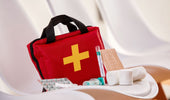
This doesn't have to be complex. Simply put, items like hand sanitizer, a basic first-aid kit, over-the-counter medications, and any prescribed medications should be sufficient for most trips.
When traveling abroad, it is a good idea to keep medicines in their original packaging and to keep copies of the prescriptions. This provides quick, easy access to care when needed.
If you are looking for things to do and haven't already done the work on either of these, please be my guest and enjoy some US History, in case you are stuck inside.
Digital health passes and updated documentation can reduce delays at borders or clinics. And honestly, though, vaccines remain one of the most effective tools in public health.
Yes, even as increased vaccine hesitancy continues to challenge health systems. As always, having clear records saves time and avoids confusion.
Building a Home Medical Preparedness Plan
One thing to note first is that a home medical preparedness plan does not need to be complicated. Or expensive at that. And honestly? It starts with understanding the people in your household.
But of course, not every home has the same needs. A family with young children, older adults, or someone with a chronic condition will prepare differently from a household of healthy adults.
Think about who lives with you. What conditions already exist? And perhaps how easy it is to access health care nearby. Distance to clinics, doctor availability, and transportation all matter when planning ahead.
Once those needs are clear, the next step is a functional medical kit. This is not about hoarding supplies. It is about having what you are likely to need for common illnesses or minor injuries.
Basic wound care items like bandages, antiseptics, and gauze are essential. Fever management tools, such as a thermometer and fever-reducing medicine, help with early response.
Hydration support, such as oral rehydration salts, can be useful during the flu or stomach illness. Prescribed medications should be kept in sufficient supply. And that’s along with a simple list of medical histories, allergies, and emergency contacts.
You may not realize this yet, but seriously, this documentation becomes especially important during a public health emergency. Especially when systems are under pressure.
During the covid 19 pandemic, many people realized how stressful it is to scramble for supplies while sick. We’ve all experienced it. And so, a prepared kit reduces that stress and protects limited resources.
It also helps health professionals focus on patients who truly need urgent care. Public health preparedness works better when households are ready for basic situations.
Honestly, knowing when to manage illness at home is very important. And of course, knowing when to seek help is just as important. Mild symptoms, low fever, and short-term discomfort can often be handled with rest, fluids, and monitoring.
But with worsening symptoms, you need to contact a doctor already. Think about breathing difficulty, persistent high fever, confusion, or dehydration. Telehealth has become a valuable option. For obvious reasons. It allows patients to get advice without unnecessary exposure.
Still, though, local clinics and emergency services remain critical for serious cases. Having phone numbers saved and knowing where to go saves time during stress.
Masks and Appropriate Use in Context
The pandemic made masks the most visible protective equipment, prompting arguments about them. Scientific research showed that people know which mask functions produce results and which do not.
Masks help reduce the transmission of respiratory droplets in indoor spaces and at crowded events. They achieve optimal performance when used properly.
More or less, it serves as an incomplete protective measure because it requires additional protection methods. Just like proper ventilation systems and sick people staying home.
The various types of masks serve specific functions. In situations with a low risk of danger, cloth masks provide basic protection for users.
People should use surgical masks because they provide superior protection through their improved filtration and better fit in indoor public areas.
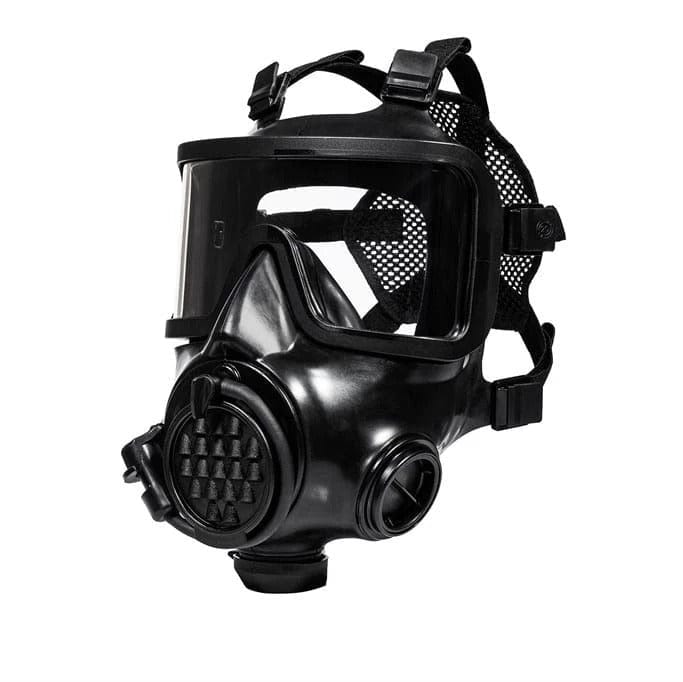
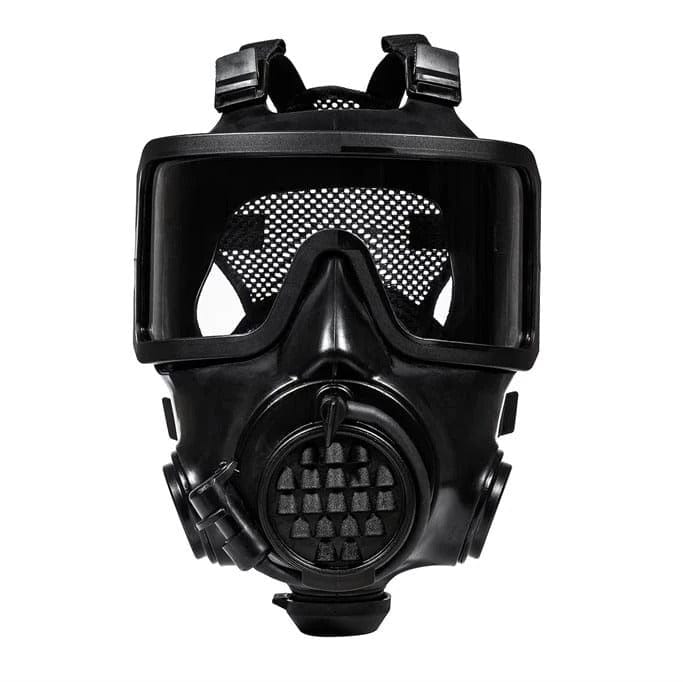
The N95 respirator mask provides advanced protection through its high filtration capacity. That’s why it’s most suitable for dangerous environments, including crowded indoor spaces and health care facilities, and for situations where people treat infectious patients.
People should select masks based on their current situation rather than using them as protective equipment against potential threats. People should use advanced protective equipment when danger is great because it is a common-sense decision.
People need to understand that masks work best when used by everyone in a community. People who wear masks during disease outbreaks in medical facilities or near at-risk individuals demonstrate their commitment to community health protection and their consideration for others.
This group includes individuals who are elderly, those who suffer from persistent medical conditions, and those who are undergoing medical rehabilitation. The practice of wearing respectful masks in public spaces helps people trust public health regulations, which help control diseases without causing social disputes.
The pandemic made masks a visible protective measure that people used to protect themselves. The devices provide effective protection, but they must be handled properly to shield people from viruses. While still safeguarding the health care system and allowing people to maintain their regular activities during disease outbreaks.
The devices provide effective protection that requires proper handling to shield people from viruses, safeguard the healthcare system, and allow people to maintain their regular activities during disease outbreaks.
Conclusion: Improving Indoor Air Quality and Ventilation
The pandemic led people to discover an important fact about air quality that affects their daily lives. Indoor spaces become contaminated with airborne particles, which remain suspended in the air until people leave the room.
Through ventilation systems, fresh air enters the building while stale air is removed. The device operates silently,y which allows you to use it without realizing its presence.
The positive aspect of indoor air improvement systems is that standard window openings provide sufficient functionality. Window openings already provide significant benefits. Short windows of opening for several minutes create beneficial effects.
Many people now use HEPA-filter air cleaners in their homes and workplaces. The devices operate silently while performing their designated tasks.
People achieve better results from AC and HVAC filter maintenance than they initially expect. The minor actions people take actually create cumulative effects.
Proper fan placement helps them provide effective assistance. A window fan system operates through two functions: outdoor air extraction and indoor air fresh-air intake.
People should focus on optimizing their existing resources instead of purchasing additional products. Better airflow can result from basic home improvements that most residences require.
The current situation applies to all places. Schools can open windows between classes. Offices need to maintain space limits that prevent overcrowding in small meeting areas.
The simple act of opening windows during events or when someone shows symptoms helps people at home protect their health. The entire process is simple and requires no effort or pressure.
The best thing? The procedure simply becomes a part of how people utilize the space. At the end of the day, that's the goal, right? So we can live normally again after the pandemic, but of course, without compromising our healths.