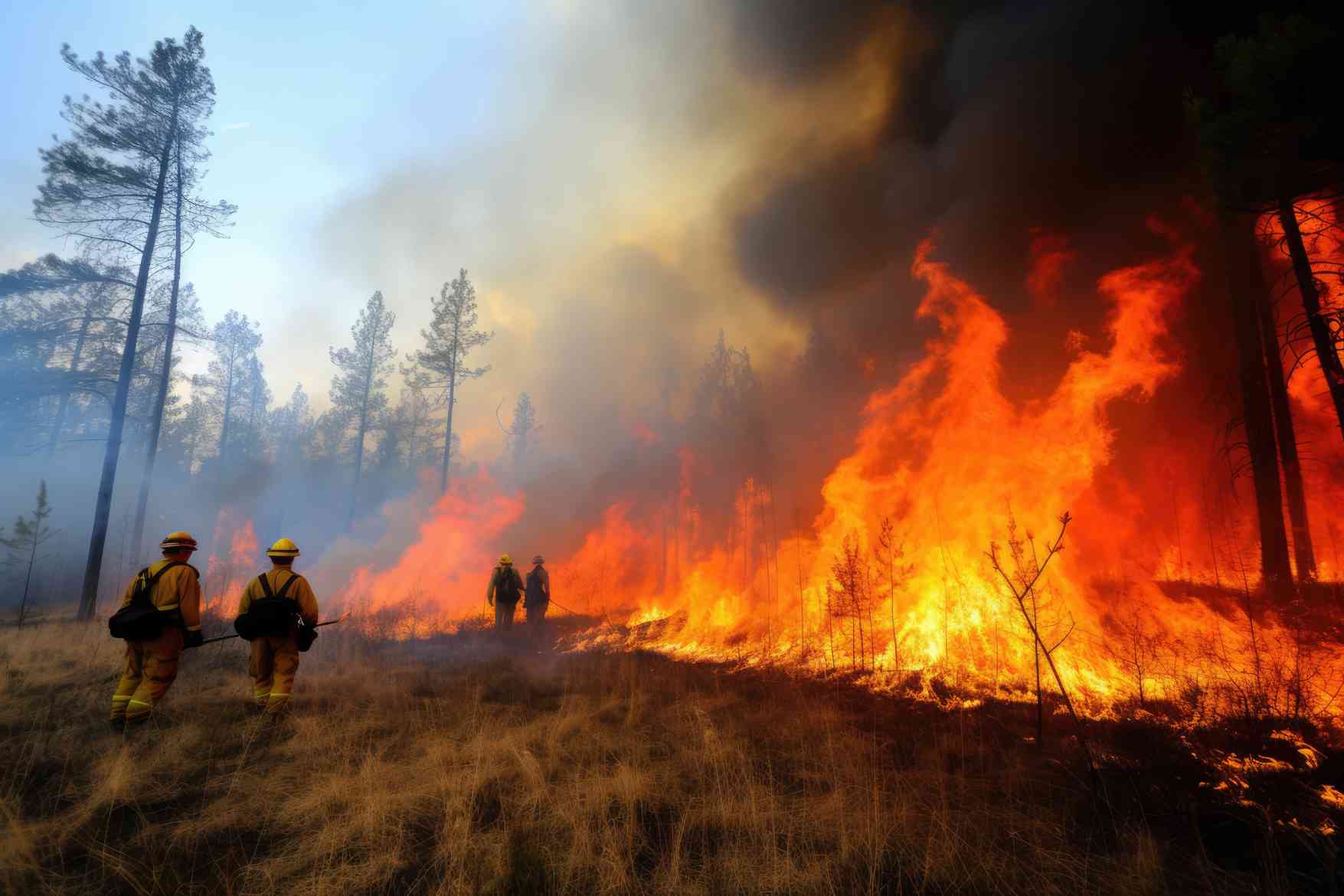

Wildfire seasons are actually getting longer. Well, how can we say so? In many places, they now start earlier in the year. And so, they last well into months. Mind you, these “months” used to be considered safe.
Hotter temperatures, long droughts, and changing land use all play a role. Dry vegetation builds up. Fires also ignite more easily. And once they start, they burn longer and spread faster than before.
For a long time, wildfires were seen as a problem for people living near forests, mountains, or rural areas. If you lived in a city or a coastal town, of course, it would feel distant. Something you watched on the news.
That assumption no longer holds. Smoke does not remain at the source of a fire. It moves with wind patterns and weather systems. Thick smoke has reached cities hundreds of miles away from active fires, turning skies orange and making the air unsafe to breathe.
Even places with no trees nearby can feel the effects. Urban and suburban areas now face days or even weeks of poor air quality. Schools close. Outdoor work stops.
Hospitals are seeing more patients with respiratory problems. In some cases, evacuations are ordered because roads, power lines, or nearby grasslands become dangerous, even if the main fire is far away.
This matters because millions of people are affected every year. Not just firefighters or rural communities. But we have families, office workers, older adults, and children who may not know what to do when smoke levels spike.
Or really, when evacuation alerts appear on their phones. Many people are caught unprepared simply. And that’s just really because they never thought wildfires applied to them. That’s why preparation is king, don’t you think?
IN THIS ARTICLE, we will help you prepare, wherever you live. We’ll help you understand how, first of all, wildfire smoke affects your health. Next, know what to do if evacuation becomes necessary. And at last, know the “needed” steps to protect your home and daily routine.
Why Wildfire Seasons Are Getting Longer

• Hotter, Drier Conditions
Apparently, there is less rain in many areas (and more hot days). As a result, the ground dries out much faster. Leaves, grass, and plants lose moisture. So, they become easy fuel.
A single spark can start a fire. Which, by the way, once it starts, it spreads fast. Large fires no longer require extreme winds. Dry ground and dry air are often enough.
Of course, it also affects air quality. When fires burn longer, they release more emissions into the air. Smoke plumes rise. Plus, they travel far from the original location. That’s a big risk.
You can notice it yourself. You might smell smoke or see a haze, even if the fire is far from your home. Air quality data often shows higher PM levels. And, in fact, more pollutants, such as ozone, during these periods.
• Earlier Starts, Later Endings
Fire season used to be shorter. Now fires are detected earlier in the year and continue later. Some areas see fire activity almost year-round. That means there is less time when people can relax and stop checking alerts.
As a result, air quality can change quickly. One day, the air quality index looks fine. The next day, it reaches one of the highest levels for the month. Smoke effects can show up with little warning, especially when forecasts shift or winds change direction.
• More People Living in High Risk Zones
More people now live closer to areas where wildfires start. Suburbs continue to expand, and homes are built near dry land. Fires no longer stay in one place. They move toward roads, cities, and residential areas.
That’s pretty much the reason why wildfire seasons are longer now. Additionally, preparing for them, even if you do not live near forests, is important. A very real concern, at that.
Smoke does not stop at city limits. Air moves freely. It carries threats across regions. People with asthma, sensitive groups, pets, and families all feel the effects.
Honestly, being prepared is no longer optional. It is (and should be) part of everyday planning now. Maybe we can start accepting this for now.
You Don’t Need to Live Near a Forest to Be Affected
Smoke Travels Far Beyond Fire Zones
Smoke plumes move with the wind. They definitely do not stay near the fire. Some people think that way. So, it might be helpful to clarify that first. Yes, a large fire in one area can disperse smoke hundreds of miles away.
Sometimes it even crosses state lines or national borders. People wake up smelling smoke. And they don’t even know where it came from.
You might check a map and see no fire near your location. But then, the air feels heavy, right? That occurs because air currents transport pollutants over long distances. You may never see flames. Still, though, the smoke is real.
Unfortunately, it settles over places where people live, work, and go to school. Many only realize something is wrong after checking air quality data. Or sometimes, they literally just notice a visible haze in the sky.
Air Quality Can Become Dangerous Overnight
Air quality can change fast. One evening, the current air quality looks safe. But by morning, the air quality index jumps to unhealthy levels. That speedy change is really possible.
PM (and other pollutants, at that) rise quickly when smoke arrives. Ozone levels can also increase. In a way, it makes breathing more difficult.
This is risky for sensitive groups. Think of people with asthma, older adults, children, and pets. Even healthy people may feel headaches, throat irritation, or fatigue. That’s a real health threat right there.
Skies may still look blue. But honestly, the air can already be unsafe. That is why checking air quality information daily matters during wildfire season. And definitely, not just when smoke is already obvious. Because that’s not really as reliable.
Infrastructure Disruptions
Smoke does more than affect breathing. It literally disrupts daily life. Power outages can happen when fire threatens ground equipment. Roads close when visibility drops.
Flights get delayed or canceled. Schools may shut down. Work schedules change with little notice. Again, the effects are just downright bad.
These disruptions affect families, friends, and entire communities simultaneously. That’s why having a plan helps protect your home. Most of all, you get to protect the people you care about. Your family.
The Real Health Risks of Wildfire Smoke

Smoke from wildfires consists of tiny particles and gases released when materials burn. The biggest concern is PM2.5. So, what are they?
These particles are so small. To the point where they can get deep into your lungs. And so, even enters your bloodstream. Ash, carbon compounds, and other pollutants mix into the air as well.
When large fires burn for days (or weeks, really) emissions build up. Smoke plumes carry these pollutants across wide areas.
Air quality data often shows sharp increases in PM levels during these events. Ozone can also rise when smoke reacts with sunlight. Even if you stay indoors, some of this polluted air can still get inside your home.
The thing is, these particles are small. They’re often invisible, too. That’s why people don’t really realize how bad the air actually is.
• Who Is Most at Risk
Some people feel the effects faster than others. Children breathe more air per unit of body weight. So naturally, they take in more pollutants.
Older adults may already have health conditions. Sometimes, to the point where recovery is harder for them. Pregnant people can also be more sensitive to poor air quality. They’re carrying a baby with them after all.
But that’s not all. People with asthma, heart disease, or lung problems are especially vulnerable. Smoke can trigger attacks or worsen symptoms.
Outdoor workers and commuters are also at higher risk. That’s because they spend more time breathing polluted air. Pets are affected too. Yes, that’s even though they cannot tell you how they feel.
In light of this, sensitive groups should monitor alerts closely. Hopefully, take extra precautions when air quality worsens.
• Short Term vs Long Term Effects
Short-term effects can show up quickly. We have coughing, sore throat, headaches, and even burning eyes.
Fatigue, too, is quite common. Some people literally feel dizzy or short of breath after only a short time outside.
Of course, repeated exposure over time is another story. That’s very alarming, honestly. Obviously, breathing polluted air day after day puts stress on the lungs and heart. That can easily put all of us in danger.
How to Prepare for Poor Air Quality at Home
1. Know When Air Quality Is Unsafe
Do not wait until your chest feels tight or your eyes burn. Honestly, by that point, the air is already poor. Start by checking air quality data daily during wildfire season.
Look at the air quality index, PM levels, and current air quality in your area. Many apps and sites use geolocation. You can see what is happening in your city or exact location.
Also, alerts matter. If you get a message saying air quality is unhealthy, believe it. Even if the sky looks normal. Even if you do not see smoke. Again, it’s not really reliable now.
A smoky smell is already a warning sign. That smell means pollutants are in the air. That’s your cue. Smoke does not really need to be visible to be harmful.
If you want to stay ahead, follow forecasts too. They often indicate when smoke plumes are expected to reach your area. Even tells about how long they might stay.
2. Simple Ways to Improve Indoor Air
When air quality drops, your goal is to keep polluted air out. And of course, cleaner air in. Close windows and doors once smoke is detected.
Avoid opening them simply because they feel warm. Outside air carries pollutants directly into your home.
Limit ventilation that pulls air from outside. If you have fans, use them to circulate indoor air. Actually, don’t try to pull in air. Choose one room to protect the most. It’s up to you, really.
A bedroom or living room usually works best. This becomes your clean air room. Spend most of your time there when the air quality is poor. Gather your family here, too.
If you do not have air conditioning, it is still okay. Just maybe keep everything closed during the worst hours. Open windows briefly only when the air quality improves.
Typically, though, it’s during early morning or after alerts are lifted. Check air quality data before doing this instead of guessing.
3. Adjusting Daily Life During Smoke Events
During smoke events, daily routines require minor adjustments. Skip outdoor exercise when PM levels are high. Even light activity can increase your breathing rate.
And so, it pulls more pollutants into your lungs. So, honestly, maybe choose indoor movement instead.
Commuting can also increase exposure. Traffic areas often trap smoke and ozone close to the ground. If possible, adjust work hours. Maybe a work-from-home set-up during the worst days.
Schools may close or move activities indoors. Stay informed so you are not caught off guard.
Pets need protection too. Never forget them. Keep them indoors as much as possible. Avoid long walks. Watch for signs like coughing or low energy.
The Go-Bag Checklist: What to Prepare Before You Need It
✓ Essentials for Every Household
Start with documents. Put copies of IDs, insurance papers, medical records, and emergency contact information in a waterproof folder.
Better yet, if you have digital copies, save them on your phone. Or, ideally, a small drive as a backup.
Medications are critical. Include at least a few days’ supply. If you have someone in your family who has asthma (or other conditions affected by poor air quality), take note of this. Add inhalers, basic first-aid supplies, and any daily medical needs.
Power matters during disruptions. Pack phone chargers, a power bank, and charging cables.
Of course, when power outages happen, you would still need access to alerts, right? Not just that, but also the air quality data, maps, and messages from family and friends.
Needless to say, being able to check information is such a big deal. It also lets you contact people.
✓ Smoke Specific Additions
Smoke brings extra risks. Your go bag should reflect that. Include masks or face coverings that help filter pollutants.
Even simple protection is better than nothing when PM levels are high. It’s not too “little.”
Eye protection helps too. Smoke and ash can irritate eyes quickly. When you go outdoors or during evacuation, this is a significant difference.
Pack extra water for drinking and rinsing eyes if needed. Smoke events dry out the air and your body faster than you expect.
These items help protect you during travel. Or maybe short stays away from home. Or really, sudden changes in air quality.
✓ Don’t Forget These Often Missed Items
Pets are often overlooked. Add pet food, bowls, medications, and a leash or carrier. Smoke affects pets just like people.
If you wear glasses or contact lenses, pack extras. Smoke can irritate the eyes, and losing vision support can make stressful situations worse.
For kids, comfort matters. A small toy, blanket, or familiar item can help them stay calm during evacuation or long waits.
Final Thoughts
Again, wildfire seasons are lasting longer. Even reaching farther than before.
Fires start earlier, end later, and affect more areas simultaneously. Even if no fire is burning near your home, smoke can still fill the air.
Evacuation alerts can still reach your phone. Air quality can still drop overnight. That’s why we all need to be prepared.
This is no longer a problem for a small group of people living near forests. Unlike before. Cities, suburbs, and coastal areas all feel the effects now.
Smoke plumes travel fast. Air quality index numbers can climb without warning. Roads close. Power goes out. Daily life changes quickly when conditions shift.
The good news is that small actions make a significant difference. Checking air quality data. Paying attention to alerts. Having a go bag ready.
Knowing how to protect your indoor air. These steps do not require special skills or expensive tools. They help you avoid stress and confusion when time is tight.
Preparedness gives you control. It allows you to make calm decisions rather than rushed ones. It helps you protect your health, your family, your pets, and your home.
Longer wildfire seasons and how to prepare for wildfires, even if you do not live near forests, come down to staying informed and acting early.
You do not need to wait for visible smoke or nearby fire. Prepare now. Check information regularly. Make a simple plan. When conditions change quickly, being prepared keeps you safe and steady.