

The year 2026 may not be easy for many families and countries. You may have noticed, or are already experiencing, signs of a slowing economy and rising prices for many goods.
This is true because your income is less secure. Other signs could include higher grocery prices or the sense that your money is not going as far as it used to.
This situation is stressful regardless of your financial situation. Thus, getting a little prepared now will save many headaches in the future.
This will not be one of those guides offering stock tips or other impressive financial advice. You don't need to be an expert to use this guide.
IN THIS ARTICLE, we’ll get the basic information you can actually do something with. Think about the best practices for developing a household budget that actually works.
Advice for constructing an emergency fund plan. And even suggestions for keeping a well-stocked pantry without going hog-wild on food storage space. Lastly, advice on remaining flexible with work or taking on multiple jobs if the situation changes.
By the end of this, hopefully, you’ll be ready to create a plan for making your family more secure and relaxed, regardless of the economy.
Why an Economic Slowdown Matters to Households
Maybe now you’re already thinking of preparing for an economic slowdown in 2026. Well, for starters, a good household survival guide begins with a good understanding of precisely what’s going on in the economy.
As of this writing, economic research indicates that gross domestic product growth is slowing across many countries. Of course, this is being closely monitored by the Federal Reserve Bank (and various financial institutions, actually).
And that's just really so they can adjust the federal funds rate to ensure everything remains in check. Once the gross domestic product begins to contract, that's your cue that there’s already an impact on housing trade.
Consumer confidence begins to decline as spending declines. That's just how it works.
For households, this can have very real consequences. Wage growth stagnates, and suddenly one's income merely matches inflation. Incomes are absorbed by month-to-month expenses such as bills, mortgage payments, and child support.
Housing costs rise when the housing sector is weak. Home prices fluctuate unexpectedly. There might be tiny or impulsive buys, as if it were a luxury to do so.
During a recession, unemployment rates rise. And so, job security becomes quite precarious. Job seekers face fewer opportunities. Self-employed families may feel the pinch due to fewer contracts or fewer clients.

Early planning is helpful as well. By a lot, actually. This means setting aside some savings to serve as your emergency fund and provide peace of mind during retirement.
You will not have any high-interest debts, such as credit card debts, or many debts to pay at the end of the month. A carefully planned budget, using a zero-based approach and understanding variable and predetermined expenses, will make a significant difference during this period.
This will also allow you to prioritize your savings. Or perhaps pay your mortgage and many other debts. Or maybe even plan for a future house.
All those little things, such as reviewing bank statements monthly, planning for future credit conditions, and setting clear savings goals, reduce stress when the economy slows. Hopefully, we can all be prepared.
Budgeting for Uncertain Times
Well, to get ready for the year 2026's economic slowdown, you should know precisely where your money is going.
• Tracking spending is a basic part of a household survival guide.
For one month, jot down everything: bills, groceries, gas, coffee, even little impulse buys.
• Divide them into needs and wants.
This provides a true reflection of monthly expenses and helps identify where money can be spent more wisely.
• Prepare your slowdown budget.
Start with your needs: housing, utilities, food, healthcare, and transportation. These are your necessary expenses that must be paid monthly.
• After that, we will have our wants.
Your wants include your additional bills to settle towards the end of the month. Your wants may include subscriptions and additional shopping costs. This is where saving money really works.
• Use some tools for the budgeting process.
Some methods that make it easier to divide every dollar of a person’s money to a predetermined purpose include zero-based budgeting.
Funds allocated to certain budget categories may also be used. Budgeting apps may make it easier to track spending and identify spending patterns.
They may help ensure credit card debt does not spiral out of control.
• Remember that cutting costs ≠ means giving up comfort.
Small energy-saving habits, such as switching off lights or unplugging appliances, reduce bills. Meal planning and cooking at home instead of eating out can save more money than most people realize.
Buying essentials in bulk instead of running to the store multiple times helps prevent overspending and impulse purchases.
Building and Preserving Emergency Savings
An emergency fund is essential to your household survival guide. This fund will act as your safety net in case of unexpected expenses or if you are laid off. This will help you avoid taking out payday loans or accumulating multiple debts on payday.
A good savings goal is 3 to 6 months of essential expenses. You will need to calculate how much you owe each month in rent or mortgage payments, utilities, food costs, and child support payments.
Now multiply that by 3 to 6 to arrive at your predetermined savings amount. Banks and credit unions offer savings accounts to keep your funds safe. Easy access is what you should aim for, rather than risking your funds in investments.
You will need your funds available when you need them, rather than worrying about long-term interest rates or when the economy will contract.
However, there are simple steps to quickly grow savings. Create automatic deposits from your income, so that a predetermined amount goes into savings every month.
Any additional money, a tax rebate, a bonus, or a windfall can go right in. It adds up, and budgeting also plays a part.
It is also important to avoid mistakes. Never (as in, ever) tap into your emergency fund unless it is an actual emergency.
Or in other words, never lock your money in accounts from whence you cannot immediately retrieve it. The aim is stability and security.
When you have your own emergency fund, you have the power to pay your variable expenses, unforeseen bills, and even pay off your debts. That's how important it is.
Food Preparation and Household Stockpiling
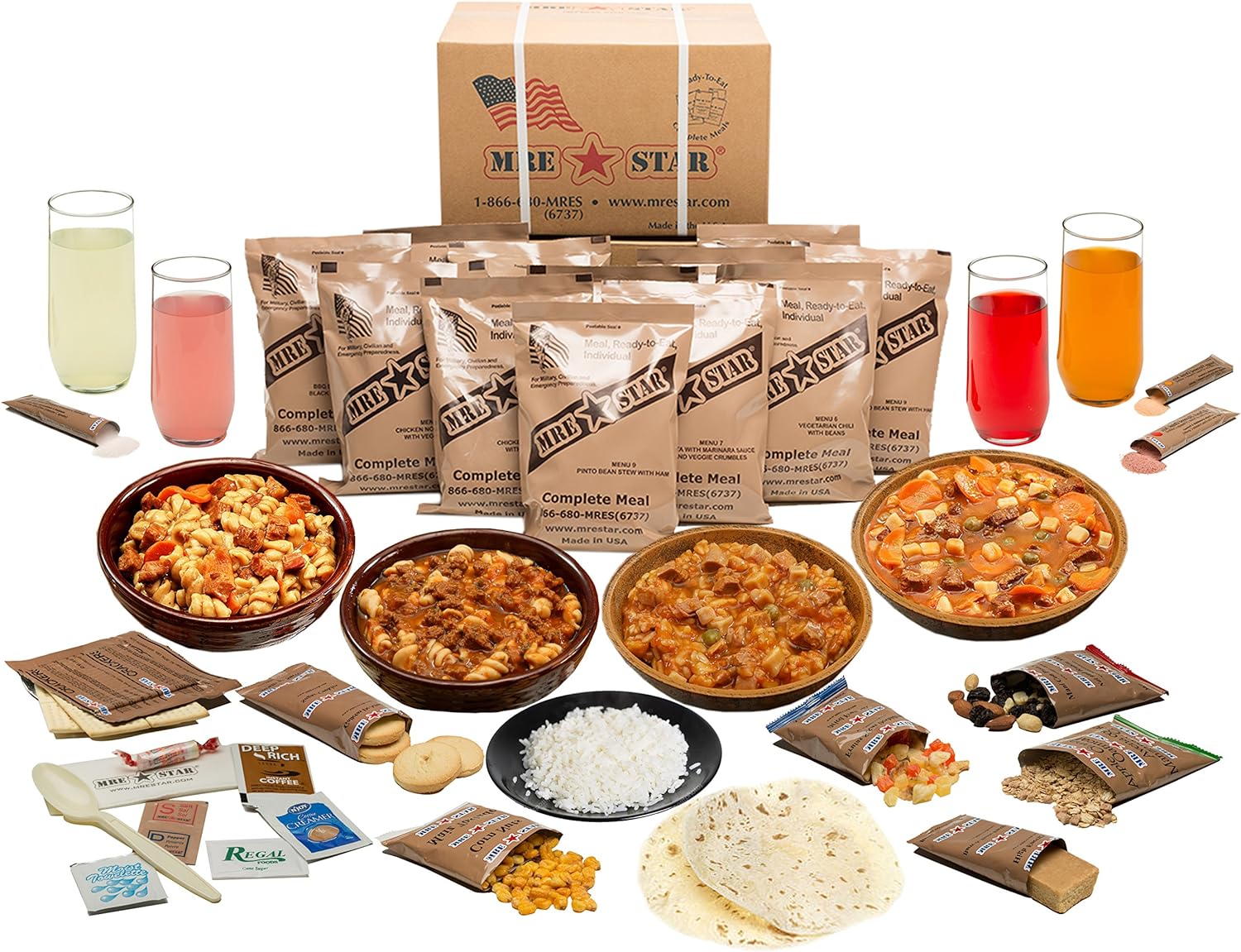
Food preparedness is an easy way to ensure the safety of the people you care about during an economic slowdown. Food preparation can help reduce food expenses and the need for last-minute grocery runs.
If grocery prices are rising or the housing market and financial markets show signs of instability, a well-stocked pantry can make a big difference.
Start by thinking of how much food you will need in general. This is done by planning the family’s meals for a given time of the week. It does not even have to be complicated.
Write down the types of food you take in the home on a regular basis. This will also help you identify foods with long shelf lives.
When discussing essentials, it is a good idea to begin with those that do not easily perish, such as rice, dried legumes, oats, pasta, and canned vegetables or fruits.
Then there are proteins that are long-lasting, such as tuna, mixed vegetables, powdered milk, and legumes. We should not forget cooking essentials such as flour, sugar, salt, various herbs, and cooking oil.
The key is storing them. You can use a first-in, first-out method and store everything in a cool, dry environment, or wherever possible. You will reduce waste and extend their lifespan.
It can save even more money when frugal meal planning is done. You can cook in bulk for a few days or the entire week by using ingredients efficiently.
You may turn leftovers into new meals and maintain a simple freezer inventory rotation to make it easier to see what you have on hand.
A beginner pantry might consist only of rice, beans, pasta, and some canned meats. An intermediate pantry will offer more options for vegetables, frozen meats, and other cooking staples.
Advanced pantries will include spices, flour, sugar, and other essentials, enabling cooking without needing to go to the grocery store and helping families manage economic downturns without worry or distress.
Job Flexibility, Income Resilience, and Upskilling
Of course, preparing for a slowdown cannot be about saving only on food and money. Also important will be your and your family's current monthly income.
A good place to start is to learn more about how risk-prone your job profile really is. For instance, some jobs are riskier than others in a slowdown. For example, are you a self-employed professional or are you in a very safe job?
Developing this kind of professionalism helps. Learning new skill sets or taking on different job roles within your organization helps. This way, even if there is a downturn in finance or a dip in housing sales, your job is secure.
Side income options are another practical way to earn more. Part-time freelance work, crafting or selling things.
Or, honestly, even activities like babysitting or dog walking are some of the means of earning more. A relatively small income also helps cover fixed expenses and reduce outstanding debt.
Upskilling is just as important. Free or low-cost online courses or learning key skills in demand in your locality might make you more resilient. Economic research by the Federal Reserve consistently proves that having flexible income helps you recover faster in a contracting economy.
Networking and visibility are sometimes neglected. Maintaining a professional network, keeping a resume or portfolio, and contacting people in job-hunting circles are all useful.
Also, it could be valuable if you are considering a job change or salary adjustments to understand what credit conditions and long-term interest rates are expected to be.
Food preparedness plans, along with budgeting and emergency fund strategies, can help families navigate the second quarter of an economic recession with greater confidence.
Although there is no need to be a market prophet, families can be made much stronger. Then they can adapt well to market fluctuations with sound money management.
Maintaining Emotional and Family Well‑Being
It's not all about the money when getting ready for an economic slowdown in 2026. A household survival guide should also include strategies for keeping the family calm and connected.
One of the best ways is to have open conversations about goals and financial plans. Talk about your monthly income, monthly expenses, and how the emergency fund is growing.
Share responsibilities such as paying bills, meal planning, or tracking discretionary spending. This will help everyone feel involved and reduce stress.
Stress is a common consequence of these phenomena, especially when the economy contracts or the housing market slows.
Affordable self‑care habits, such as a brief walk, some time of journaling, or even sipping coffee over a quiet moment.
The uplift from social support-the people who have your back, whether friends, neighbours, or any other local grouping-matters still more. It helps just to know that someone has your back during these downdrafts or interest rate shifts.
It is also a great time to teach kids financial confidence. Age-appropriate discussions about money, saving for goals, or cutting back on certain things give them a sense of safety.
Engage your kids in meal planning or choosing which groceries to buy on sale. Even simple activities, such as counting items in the pantry or deciding ways to use extra funds, help children understand financial priorities and build good habits early.
Common Missteps and What to Avoid

Even when you have a plan, it is easy to make mistakes during an economic slowdown. Here are some of the most common ones to watch out for:
1. Relying too much on credit cards
During hard times when funds run low, using a credit card or a payday loan can seem like a simple solution. The issue here is the high interest rates and the mounting debts.
Dealing with debts becomes stressful. Controlling fixed and variable expenses by the month-end may become more troublesome. Credit card balances should not be allowed to grow in times of recession.
2. Panic buying instead of planning
Too many purchases, especially impulse buys, can be wasteful and lead to spending more than initially anticipated with no return on investment.
It is useful to buy more strategically: only buy what is needed, and plan meals to ensure that whatever is stocked has an extended 'sell-by' date.
Hopefully, it will not perish or become unusable at any time. It ensures spending is minimized, and the emergency fund lasts longer without
3. Over-committing to unfamiliar jobs or side hustles
Too much work without assessing its reliability can work against them. The self-employed families.
Or, honestly, part-time earning individuals should be concerned about the conditions of credit, their income, and interest rates. It should just fit into their budgets without any stress.
4. Forgetting to track spending and savings
Every little impulse purchase adds up. Not monitoring your bank statements, a zero budget, or fluctuating expenses will silently eat away at your money.
It is necessary to monitor your monthly expenses to identify opportunities to direct extra funds into savings, pay off mortgages, or pay off debts.
5. Ignoring changes in the economy
Monitor the performance of the finance market, housing, and information from the Federal Reserve or the National Bureau. When there are signs of economic activity, an increase in unemployment rates.
Or perhaps a change in housing prices. So, planning becomes crucial. It will help them adjust, especially when there are warnings of slowdowns, increases, or declines.
Final Thoughts
Preparing oneself for an economic slowdown that is to begin in 2026 is not an invitation to stay in fear and stop having all the fun in life. It is simply an attempt to become more aware of your lifestyle.
Hopefully, you get to see how your resources are used. Being aware of how you use your resources and maintaining some savings can significantly strengthen your case.
Simple tasks like planning meals, keeping the pantry stocked, and having a flexible income will keep the household afloat when everything else seems unstable around you.
Discussions about money also help to ease families out of stressful situations because every member knows what to expect. No one will ever catch you off guard.
Change is a certainty. Costs increase, employment opportunities shift, and unforeseen events occur.
What matters is that we remain sufficiently prepared to handle everything without being overly reactive. And so, we can think better this year.