

After the pandemic, many people said supply chains were back to normal. Ships were moving again. Factories were open. Stores were not empty like before. On paper, things looked fine.
But when you actually shop or order things, it does not always feel that way.
Sometimes, a product you usually buy is suddenly gone. Sometimes delivery takes longer than it used to. Prices go up even when nothing obvious seems wrong. These phenomena do not occur every day, but they occur often enough that people notice and discuss them.
Honestly, what is confusing is that nothing looks like a crisis, right? I mean, there are trucks on the road. Stores are open.
Most shelves are stocked. But when something small goes wrong, the effects show up fast. A delayed shipment, a worker shortage, or a shipping issue overseas can still mess up supply and prices here.
This is because the system is operating with minimal redundancy. Companies keep just enough stock to meet demand. When everything goes smoothly, it works. When it does not, even for a short time, delays and shortages follow.
IN THIS ARTICLE, we will break down why these problems keep coming back in 2026. How about we look into what is happening in global shipping, ports, and labor? And of course, about why the way goods move today makes shortages more likely than most people expect.
Why Shortages Still Occur Despite Supply Chain “Normalization”
When people say supply chains are back to normal, they usually mean that the demand for supply chains is not as crazy as it was during the shipping crisis. People are not buying things in a panic like they used to. The factories that make things for supply chains are working again.
The distribution centers that move goods in supply chains are operating at a pace. That does not mean that supply chains are really strong or that they can handle problems easily. Supply chains remain suboptimal.
So what is normalization about? It is about making inventory levels look good. Many companies restock only enough to meet current demand. They do not restock sufficiently to address potential problems. These days, people who manage inventory try to avoid having much inventory.
This is because storing inventory costs money, and that hurts the company's profit. This system works until something bad happens. When there is a delay in shipping or the raw materials do not arrive on time, the company is in trouble because it lacks any inventory to fall back on. Then deliveries get delayed quickly.
Stabilized demand does not necessarily imply stable logistics. Global supply chains still depend on smooth shipping operations across many countries. Port congestion, labor shortages at fulfillment centers, or extreme weather can significantly delay shipments.
Natural disasters, global events, and labor issues remain major causes of supply chain disruptions. When freight rates rise or transit times lengthen, companies often pass on higher costs to customers through higher prices.
The issue with efficiency is that it can be a problem we do not see. For a time, the people in charge of supply chain management were trying to make things happen faster and cheaper. They eliminated parts and steps to reduce costs. Many businesses depend on a few suppliers, trucking companies, or shipping ports.
If one of these links has a problem, the whole chain has a problem. This is a deal for all sorts of things, like the equipment that keeps people safe and the cars we drive. Sometimes an entire factory can stop working just because one small part is unavailable.
People who buy things online have ideas about what they want. They want their stuff to arrive quickly. This is especially true for stores that say they will ship things for free and let people track their orders.
People who buy items online want them delivered quickly and to be able to track their orders. They do not want any mistakes.
When many people are buying at the same time, or there are insufficient workers, delays become more apparent. Even a minor problem, such as getting the address wrong, can result in the store losing a sale and the customer being dissatisfied.
Customer satisfaction declines when online stores make errors in shipping. Online stores need to get shipping right because customers expect e-commerce businesses to be fast and accurate.
All of this helps explain why supply chain disruptions persist. What Americans should expect in 2026 is not constant chaos, but frequent interruptions driven by external factors, global trade pressures, and systems that still struggle to build real resilience.
Global Supply Chains Are Still Under Stress in 2026

Global supply chains seem quiet now compared to a few years back. The truth is, they are still dealing with numerous issues. Currently, most problems in supply chains arise from external factors, not from errors made in warehouses or distribution centers. Global supply chains remain under strain.
Extreme weather is a big problem. Droughts are bad for shipping routes and food production. Floods make shipping operations slower. They also damage infrastructure.
When it becomes extremely hot, it affects workers, equipment, and the time required to move materials from one location to another. These natural disasters, such as extreme weather, are no longer unusual.
Extreme weather occurs frequently enough to cause regular delays, and we do not have sufficient supplies in the global market. Extreme weather is something that we have to deal with all the time.
There are a lot of problems in the world that affect how countries get along. When countries do not agree, it creates difficulties for people who buy and sell goods with each other from different countries. This makes it hard to keep everyone safe.
Even if the problem is happening in a country that's really far from the United States, it can still cause delays in getting things or make things cost more money. Big things that happen in the world, like sanctions or trade restrictions.
Or, when a country suddenly changes its rules, it can affect how materials and finished goods move from one place to another. Geopolitical instability is an issue that just keeps going on and on.
Manufacturing concentration is a problem. It adds a lot of risk. Many industries still rely on a few places to make things. This is true for components used in electronics, medical supplies, and the automotive industry.
There are efforts to bring production home and to diversify it. This is happening very slowly. Moving production to a place takes a lot of time, it costs a lot of money, and you need people with the right skills.
The automotive industry, medical supplies, and electronics face challenges due to insufficient labor in some countries and labor-related issues. This makes it even more difficult to relocate production. Manufacturing concentration is still an issue.
Energy and fuel costs are really uncertain. When fuel prices go up, freight rates also go up. Shipping companies adjust their prices rapidly. This means that higher energy and fuel costs affect the supply chain.
As a result, food, household goods, and everyday items become more expensive. For businesses, higher shipping and production costs can reduce profits and limit the products they can supply. Energy and fuel costs are a problem for small businesses.
Together, these pressures show why global supply chains remain fragile in 2026, even without a full-scale shipping crisis.
Red Sea Shipping Risks and the Fragility of Global Trade Routes
The Red Sea is really important for shipping. It is like a road that connects many major markets via the Suez Canal. The Suez Canal is an important part of global trade. When something goes wrong in the Red Sea or the Suez Canal it affects the Red Sea and the whole world not the area, around the Red Sea.
The Red Sea is particularly important for shipments to the United States. Even though the Red Sea is far from the United States, problems in the Red Sea can delay these shipments.
A lot of goods travel through the Red Sea before they get to ports in the United States. When there are problems in the Red Sea and shipping gets interrupted, companies have to find ways to get the goods to the United States.
This means shipments of goods to the United States take longer to arrive, and Red Sea disruptions affect their delivery schedules.
Rerouting has some consequences. When ships have to take paths, it takes them more time to get to where they are going. This means they use fuel. As a result, the cost of shipping goods increases. That cost is passed on to consumers. They have to pay money.
When deliveries are late, it is harder for companies to manage their inventory. This is a problem for businesses that have limited funds.
Rerouting and delayed deliveries also make it harder for companies to meet customer expectations. Companies must deliver items on time, and rerouting makes that more difficult. Rerouting is a problem for freight companies and the people who buy things from them.
The Red Sea is not the place that has problems. There are important routes that have similar issues. The Panama Canal has experienced operational difficulties due to a drought.
The Strait of Malacca is another route through which disruptions could affect the global supply of goods. When something goes wrong with one of these routes, like the Red Sea or the Panama Canal or the Strait of Malacca, the effects can spread quickly to the Red Sea supply chains, the Panama Canal supply chains, and the Strait of Malacca supply chains.
These risks show how a single disruption in global shipping can ripple through markets, raise costs, and affect customers thousands of miles away.
Labor Shortages: The Quiet Supply Chain Crisis
Labor shortages are still a problem. Supply chain disruptions are not going away because of labor shortages. We have goods, and people want to buy them.
We do not have sufficient workers to deliver the products to customers. Labor shortages are the reason for this. We need people to move the products through the system. We just do not have enough labor.
There are problems in a few places. We do not have truck drivers, which makes shipping take longer and delivery schedules get disrupted.
Warehouses and the places that get orders ready to ship are having a time finding and keeping people to work there, especially when a lot of people are buying things.
The people who run the ports and the workers who load and unload ships do not have assistance, and this slows shipping and makes the ports more crowded. We also have trouble finding people to work in food processing. When we do not have enough workers, production may stop or be reduced.
Automation is what people usually talk about when they want to solve problems. It does not work that fast. New technologies such as artificial intelligence and robotics are very expensive to implement initially.
Many businesses, including large companies, are unwilling to invest in these initiatives because they affect profit margins. It also takes time to train users to operate these systems, and automated systems do not always perform well during periods of high demand.
When a company receives a surge of orders or encounters worker problems, artificial intelligence and robotic systems may not adapt sufficiently to handle automation and automation-related issues.
We see workforce shortages in our lives. For example, stores take longer to restock things. This means that sometimes we cannot find what we want to buy because it is not on the shelves.
Stores also have trouble getting items on time. Sometimes they do not get them all. Where you live makes a difference. If you live near a port or a place where things are sent out you might not have many problems.. If you live far away from these places, you will see more delays.
People notice when things take a while to arrive and when prices go up. Workforce shortages cause delayed deliveries and higher prices. We notice these things when we go shopping and don't see the things we want to buy.
Labor shortages may not grab headlines like a shipping crisis, but they quietly affect supply, cost, and availability across the market every day.
How Americans Are Quietly Adapting to Supply Chain Uncertainty

Most Americans do not discuss supply chains on a daily basis. The way they do things has changed. That is, after numerous problems with supply chains.
Over the years, people have figured out that things can be delayed without notice. While waiting for supply chain problems to occur, many families are making small changes to their supply chain practices.
People are changing the way they shop. They are buying staples at once. For example, they buy a lot of rice, pasta, canned goods, and household basics when they can. Foods that last a long time are really popular now. This is because they help people feel better when they cannot obtain the things they need.
Buying food and supplies which used to seem crazy now makes sense to many families. They prefer having emergency food and supplies such as rice and pasta on hand.
This is because emergency preparedness is not limited to emergencies; it also addresses problems with deliveries. Emergency preparedness, or having staples like canned goods, is something that many families are doing now.
Food security is something that people are thinking about a lot now. This is not about paranoia or stockpiling food. It is just about being prepared.
People remember what happened during disruptions, such as how quickly fast food and other essentials disappeared from stores. They do not want to be caught off guard when something like that happens.
When storms hit, or there are labor shortages or shipping delays, people see how fast the demand for food and other things goes up. This has taught people that the supply of food can change really quickly. Food security is important to people because they want to make sure they have food.
Preparedness is evident in things. Some families keep food at home just in case the power goes out or their groceries are late. They store food that does not go bad easily, like canned goods, for emergencies or when they are really busy and cannot get to the store.

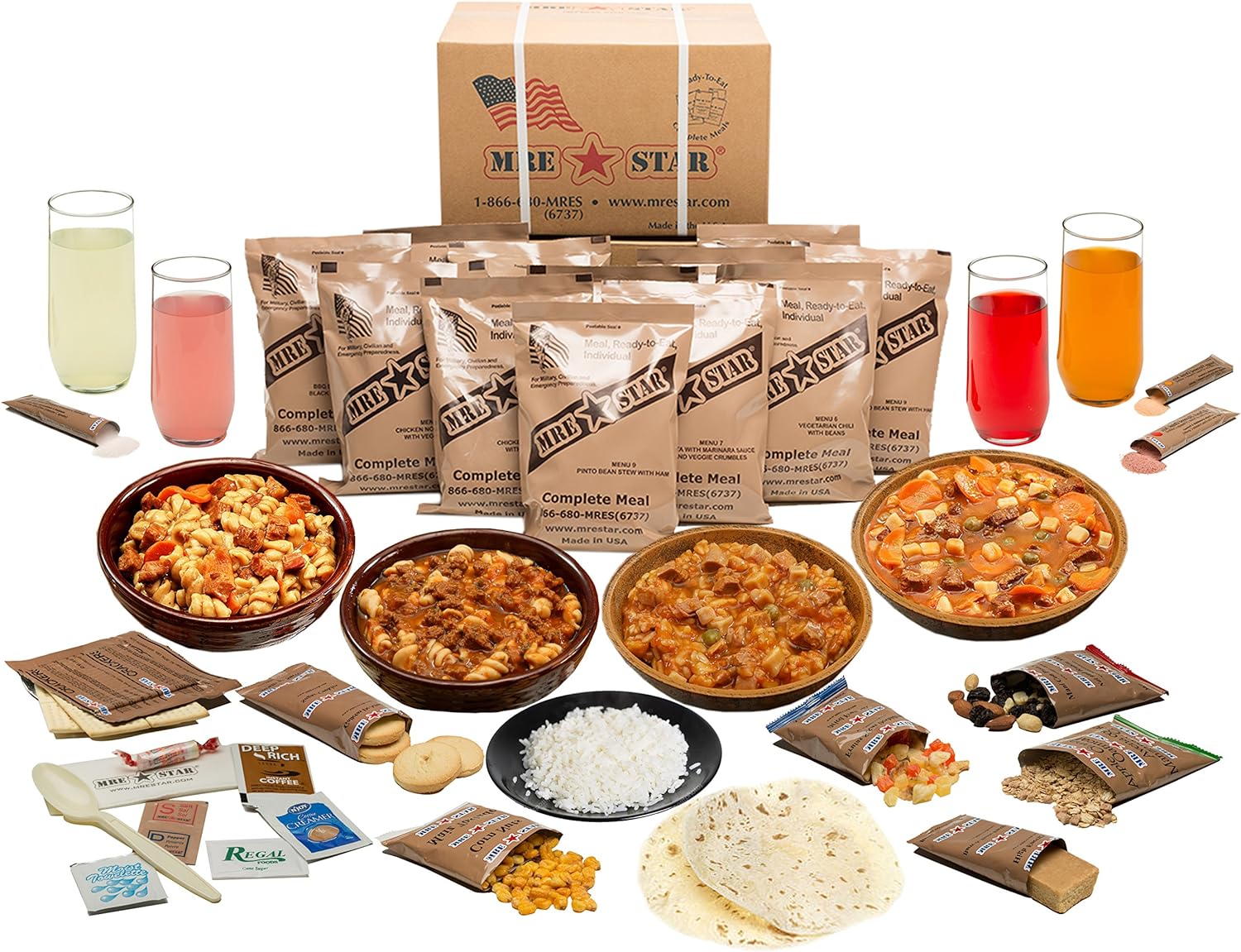
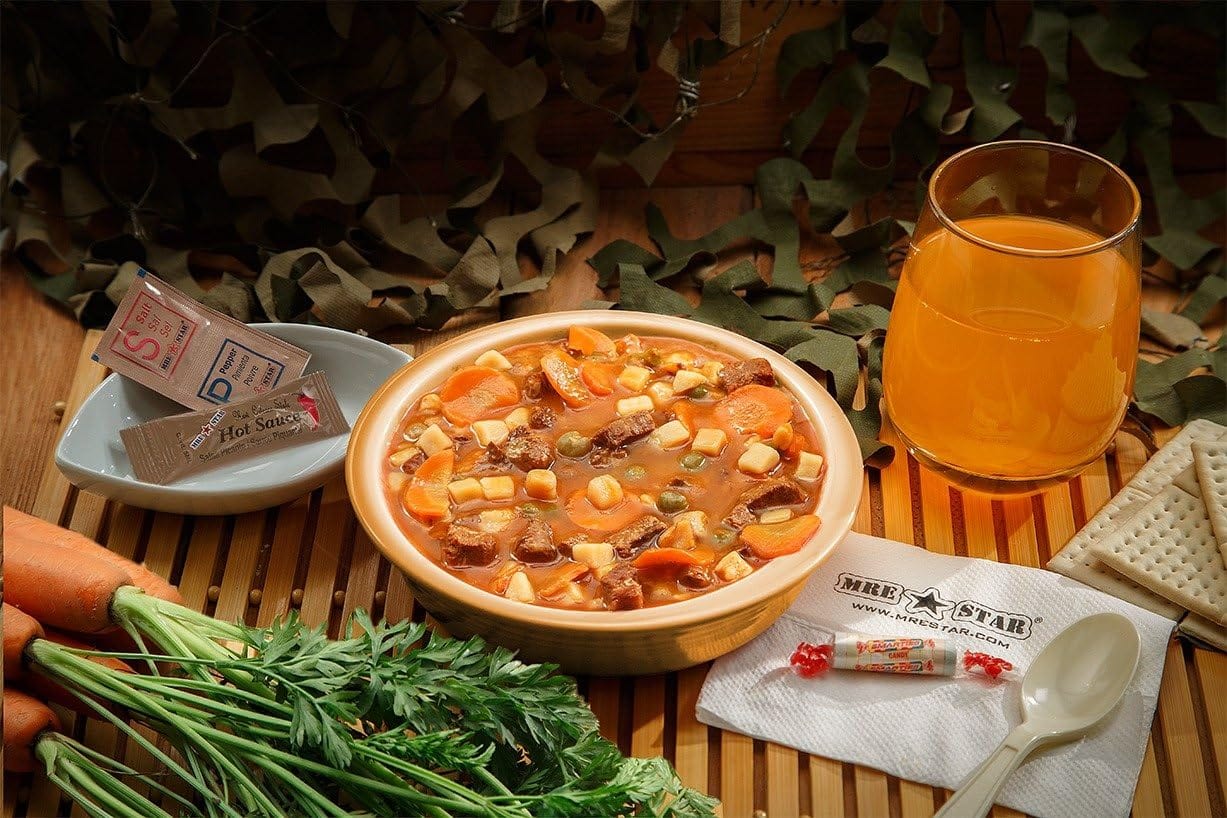
Some people also prefer food that's easy to eat and does not require cooking, such as the food that soldiers eat in the field. These meals, like Prepared Bee MREs are good to have as a backup.
Why Shelf Stable Emergency Food Is Becoming a Smart Hedge
We learn something from all these food supply problems. Food shortages do not usually happen suddenly. You do not wake up one morning. The shelves are empty.
Instead, it happens slowly. The food supply gets a little tighter every day. When we have a major problem, it is not always a major issue in the news. Sometimes, a major storm, a problem with the workforce, or a delay with the ships can make it difficult to obtain food.
These things do not always make the news. Food supply problems, such as food shortages, can be severe. Food shortages can occur because of factors such as a storm, a labor issue, or a shipping delay.
People are looking at important things when they pick up food. One consideration is that the food lasts a long time. It is also good if the food is easy to prepare, especially when the power is out.
Backup food should provide the calories you need when you do not have access to food or cannot receive deliveries. Backup food is important because it gives you calories.
Getting ready for things does not mean doing crazy stuff. Many people keep freeze-dried meals at home in case they need them. They use these emergency food kits during storms, when the power goes out, or when it takes a long time to obtain the items they need.
More and more people are looking into freeze-dried meals that offer many options and can last a long time. This includes emergency food supplies that provide 120 meals and can help people get through severe hardships.

For example, people really like ReadyWise emergency food because it is easy to store, simple to use, and can be used in various ways. For many Americans, shelf stable food is no longer about fear. It is a simple way to manage risk in a system that still struggles to avoid disruption.