

The Strait of Hormuz is not something that most people talk about. It is not something you even think about every day. But honestly, the Strait of Hormuz is very important to the way the world works.
The Strait of Hormuz is a narrow waterway through which a lot of oil passes every day. In fact, one-fifth of the world's oil goes through the Strait of Hormuz. This is a big deal and it affects a lot of things.
If something happens to the Strait of Hormuz and oil cannot pass through, it will cause problems. The price of gas will go up. The price of groceries will also go up. It will cost more to ship, so deliveries will be more expensive. Even the price of things like plastic bags and household items will go up.
You might not even notice what is happening at first. After a while, though, you will start to see its effects in your daily life.
IN THIS ARTICLE, we will explain the Strait of Hormuz in a simple way. We will talk about what the Strait of Hormuz is and why it is important to the United States, what happens when it is closed, and how you can get ready for the next few months without making it too complicated.
What Is the Strait of Hormuz?
The Strait of Hormuz is a passage that connects the Persian Gulf to the open ocean. It may look small on a map. But honestly, the Strait of Hormuz carries a lot of weight.
The Strait of Hormuz is very important for countries like Saudi Arabia, Iraq, and Kuwait because they use it to export their oil to the world.
From the Strait of Hormuz, oil tankers head toward the Indian Ocean. And yes, they reach markets across Asia, Europe, and beyond.
For many of these countries, the Strait of Hormuz is the exit point for their oil exports. Without the Strait of Hormuz, oil exports cannot move easily because there is no simple backup route capable of handling the same volume.
Every day, 20 million barrels of oil pass through the Strait of Hormuz. This includes oil, petroleum products, and even liquefied natural gas that passes through the Strait of Hormuz.
The Strait of Hormuz is a conduit for oil that keeps global energy trade moving. A large share of oil from the Strait of Hormuz goes to countries like China and South Korea, where demand for oil is high.
So when people ask what happens if the Strait of Hormuz closes, this is why the Strait of Hormuz matters. You are not just stopping a route, you are interrupting a part of the world's oil supply that comes from the Strait of Hormuz.
Yes, there are pipelines in the region. But actually, they cannot carry nearly as much oil as what flows through the Strait of Hormuz every day. Shipping oil around the Strait of Hormuz is not simple either.
Routes get longer, more expensive, and in some cases, not possible at scale. That is what makes the Strait of Hormuz so sensitive. The Strait of Hormuz is narrow, the Strait of Hormuz is busy, and a big part of the oil depends on the Strait of Hormuz.
When something important, such as the Strait of Hormuz, has no real substitute, even a short disruption can quickly shake prices, supply, and everyday life.
What Happens If the Strait Closes?

Step 1: Oil Supply Drops Overnight
The world's oil supply is heavily dependent on a single route, with millions of barrels passing through it every day. This includes a share of global oil and liquefied natural gas from the Persian Gulf.
If this strait is closed, oil tankers will not be able to pass through. As a result, crude oil exports from countries like Saudi Arabia, Iraq, and Kuwait will be stuck. The global energy trade will be severely affected, with much of the oil unable to move.
Pipelines can help a little. They cannot replace the volume of oil that passes through the strait. Therefore, the global oil supply will tighten immediately. The oil supply will. This will have a big impact on the world.
Step 2: Oil Prices Spike Fast
When the oil supply drops, the oil markets react quickly. Oil prices do not wait; they jump up.
You will start hearing about oil prices rising around the world. It is not unusual to see increases in a short time, especially when there is panic or uncertainty.
Traders will react to the situation companies face. The cost of crude oil will be much higher than it was just a few days before.
Even countries with domestic oil production will feel the impact because oil prices are set globally. The oil prices will affect everyone, no matter where they are in the world.
Step 3: Gas Prices Rise in the U.S.
This is where the impact of the drop in oil supply is felt most directly. The higher crude oil prices will feed directly into what you pay for gas at the pump.
The United States may have its oil production, but it still operates within the global oil markets. So when the global oil supply drops, the local prices will follow. It will not take long for gas prices to climb, sometimes reaching levels people are not used to.
This is one of the changes that people will notice. They will see that gas prices have increased, and this will affect their lives.
Step 4: Shipping Gets Expensive
Fuel is a major cost in shipping. When oil prices go up, the cost of moving goods will also increase.
On top of that, there are security concerns. If tensions involve places like Iran or nearby waters, fewer ships will be willing to pass through these areas. The insurance costs will go up. Some routes may even be avoided entirely, leading to longer trips.
All of this will add pressure to trade and slow things down. The shipping industry will be. This will have a big impact on the world.
Step 5: Supply Chains Start to Strain
Once shipping slows or becomes more expensive, you will start to see delays. Goods that rely on supply chains will take longer to arrive.
This includes electronics, clothing, and even car parts. Many of these products depend on materials or components that move along energy trade routes tied to oil and fuel costs.
Of course, it will not always be immediate. After a few weeks, the gaps will start to show. You will see that some products are unavailable or that prices have increased.
Step 6: Everyday Prices Go Up
At this point, the effects of the drop in oil supply will be harder to ignore. Food prices will rise because transportation and fertilizer costs are higher.
Utilities can go up. Even basic household items will get more expensive because petroleum products are used in packaging and production.
All of this will add up. You will see the impact on your weekly spending. Item prices will increase, affecting your daily life. The drop in oil supply will affect the world and be felt by everyone.
The Hidden Ripple Effects Most People Don’t Expect

• Food prices start to go up
Food is one of the first things people notice when things change. A lot of the fertilizer that farmers use is connected to gas and exports from the Persian Gulf. If the flow of these things slows down, then there are not many of them to go around.
At the time, it costs more to transport food from farms to stores because oil prices are higher. This means that food costs more whether it is from a farm or from another country. So when you go to the grocery store, you have to pay more for food, even if everything else seems the same.
• Plastics and packaging become more expensive
This surprises a lot of people. Oil is not just used for cars. It is also used to make plastics and packaging.
When the price of oil and petroleum products goes up, companies that use these things have to pay more. This can affect the prices of goods, food packaging, and household items. The price increases are small. You can see them everywhere.
• Flights and deliveries cost more money, too
Airlines need fuel to fly, so when oil prices rise, ticket prices usually rise too. It might not happen away, but it happens eventually.
The same thing happens with deliveries. Whether something is being shipped from another country or just across town, higher fuel costs mean higher prices. If there are problems with shipping or if things have to be sent a way, like around the Indian Ocean, it can cost even more and take longer.
• Businesses start to slow down (unfortunately)
As prices go up, businesses start to make changes. Some businesses spend money. Others put their plans to expand on hold.
It can also be harder to find a job. It is not always a change, but over time, you can feel it. There are job openings, people are more careful, and there is less movement in the job market.
• And so, markets become unstable
On a scale, the global energy market reacts quickly to changes. In the oil market, changes can cause stocks to go down. Currencies can change value.
Countries that rely heavily on oil imports, such as China and South Korea, feel pressure. This kind of instability can spread across trade and affect other countries too.
Timeline: What Happens in the First 30, 60, and 90 Days
|
Timeframe |
What It Feels Like |
What’s Happening Behind the Scenes |
|
0–30 Days |
Feels tense, lots of news, people being cautious |
Oil supply tightens, oil tankers are delayed, and prices start rising |
|
30–60 Days |
Prices are going up, and some delays are showing up |
Businesses adjust, supply chains strain, reserves released |
|
60–90 Days |
More pressure on daily spending |
Inflation spreads, growth slows, and people adjust their habits |
0 to 30 Days: Shock Phase
When something like this happens, people are in shock. News is all over the place, and everyone is trying to understand what is going on, especially since a major route like the Strait of Hormuz is affected, which impacts a big part of the world's oil supply.
You will notice that people are changing their behavior a bit. More people are filling up their gas tanks earlier than usual.
They are also going to the grocery store. Buying food a bit more quickly. It is not extreme. It is enough to make you feel like something is not right.
At the time, oil prices were already going up. This is because a large amount of oil is affected by the disruption, and even a short one can drive prices up.
And yes, it includes oil being sent to countries like China and South Korea, which puts additional pressure on the global oil market.
30 to 60 Days: Adjustment Phase
After a few weeks, things start to settle down, but not in a good way. This is when you really start to see the impact of what's happening in your daily life.
Some things take longer to get to you. Other things start to cost money. Businesses are starting to raise their prices because it costs more to transport goods, and fuel is more expensive. This affects oil imports, shipping, and even basic oil-derived products.
Governments may try to help at this point by releasing oil that they have saved. Or maybe, by trying to make sure that there is oil.
Honestly, yes, it helps a bit, but it does not completely solve the problem, especially since the world still uses a lot of oil and there is not enough to go around.
60 to 90 Days: Strain Phase
By this time, it starts to feel like this is not a temporary problem but something that you have to deal with every day. So, in a way, higher oil prices are now a part of your life.
This affects the cost of food, transportation, utilities, and even services. Businesses are more careful. This can mean that they do not hire as many people or even expand as much.
For people, this is when their habits start to change. You might drive less, plan your grocery shopping carefully, or put off buying certain things.
And weirdly, though, you are not panicking anymore. Instead, you are just getting used to an expensive way of life. The oil prices are still high. The oil supply remains tight, affecting the oil market and global supply. That’s just the way it is now, right?
30–90 Day Preparedness Plan
1. Start with food because food is the immediate need.
You do not have to go to extremes. Even having two to four weeks of food at home already puts you in a spot. If you can stretch that to 60 to 90 days' worth of food over time, better.
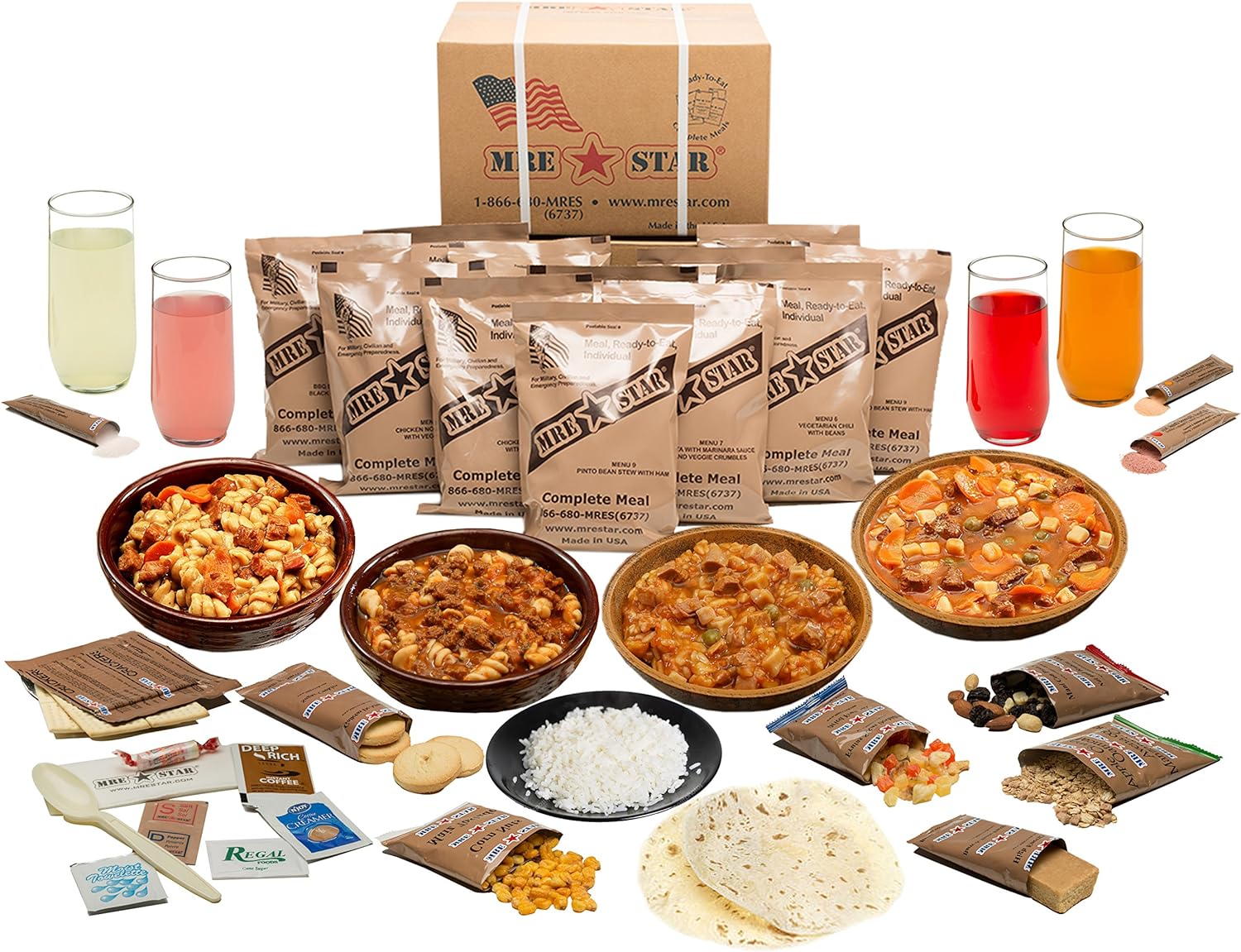
Think simple and practical. Think about food like shelf meals, rice, beans, canned goods, anything that lasts and is easy to prepare.
When the global oil supply gets tight, transport costs go up. That can affect how food moves. It is not always about food shortages; sometimes it is higher food prices or slower restocking.
2. Water is easy to overlook until it's not available.
Keep a supply of water at home, whether that is bottled water or stored clean water. Same with essentials like soap, toothpaste, and basic hygiene items.
These are things, but they run out faster than you expect, especially when supply chains are strained by higher oil prices and shipping disruptions.
3. Fuel is one of the things people notice when global oil markets tighten.
If crude oil prices go up, gas usually follows. A simple habit helps with fuel. Try not to let your tank drop low.
Keeping your tank at least half full gives you some breathing room if fuel prices spike or if lines get longer. Also, cutting back on trips can help stretch your budget if fuel prices rise.
4. Maybe it’s time to build a small financial buffer now.
Honestly, you do not need an emergency fund right away. But really, even a small financial cushion helps.
When oil prices rise, it tends to affect everything from food to transportation. Having a bit of cash set aside makes those adjustments easier to handle without stress.
5. Stock Smart, Not Fast.
This is where people usually get it wrong when it comes to food and essentials. You do not need to rush out and buy everything in one go.
Just build gradually with food and essentials. Add a few items to your weekly grocery run.
Rotate what you store so nothing goes to waste. That way, you are prepared with food and essentials without overloading your budget or contributing to panic buying.
Final Thoughts
If you look at what happens when the Strait of Hormuz closes, one thing becomes clear quickly. It is not about oil. Once the global oil supply gets disrupted, everything tied to transport and production starts to feel it, including how food reaches stores.
Grocery shelves usually look stable because they are restocked. Trucks arrive every day, shipments keep moving. So, basically, everything runs on timing.
When supply chains get hit by shipping disruptions or higher oil prices, that very rhythm slows down. That is when you start seeing delays or gaps in stock.
This is where long-term food storage becomes useful in a simple way. It is not about buying a lot of food because you're scared.
It is just having a backup that makes life easier when things get unpredictable. And so, food kits like the PreparedBee Emergency Preparedness 60 Meal Variety Bucket are built for that kind of situation.
It gives you convenience, ready-to-eat portions, and a long shelf life, so you do not have to worry about restocking. So yes, it can be very useful during storms, supply delays, or any situation where normal grocery access slows down.