
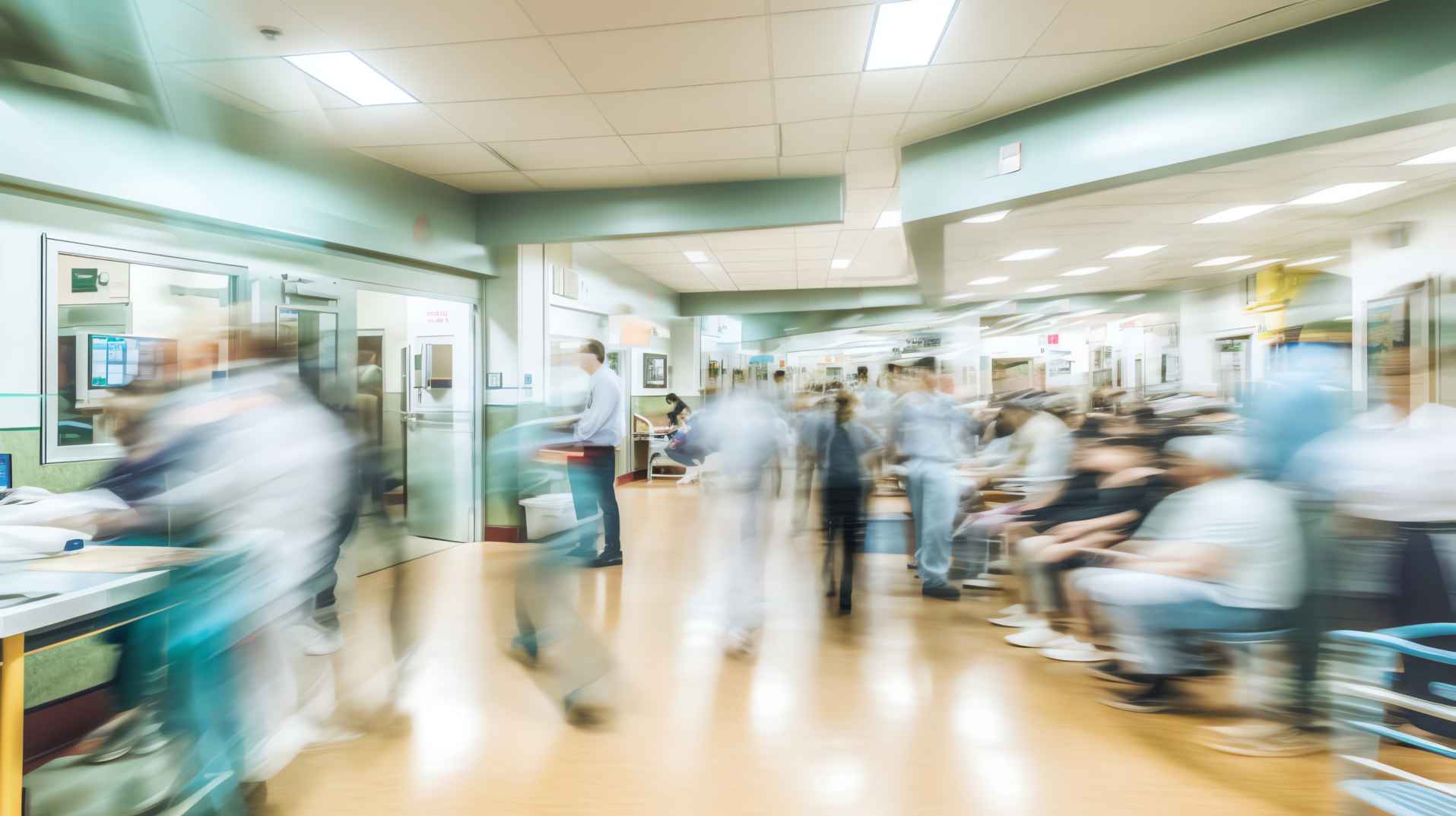

Emergency room wait times in the U.S. are rising, and more families are experiencing the impact. What used to be a quick visit for many people has now become hours of waiting. And yes, that's even when someone feels genuinely unwell.
Parents bring their sick children to the emergency room, while seniors arrive with pain or breathing issues. Unfortunately, though, all patients must wait in the same crowded area without knowing their expected wait time.
The duration of medical delays affects how people manage their health issues. Some families wait longer than they should before going to the ER.
Some patients leave the hospital prematurely because they cannot endure lengthy waits especially when they have children or elderly relatives with them. People build up stress quickly which creates health effects that most individuals did not expect to encounter.
IN THIS ARTICLE, we will examine three points which explain the emergency room overcrowding problem and show how different groups of people experience various wait times.
The article will explain how families can use basic preparation techniques to handle medical waiting periods. And hopefully, this will help them manage unexpected delays that occur during their emergency room visits.
What ER Overcrowding Looks Like Today

Emergency room overcrowding has become a situation that people now anticipate when they arrive at hospital emergency departments. It's like it goes without saying. And no, that's not right at all.
Patients experience extended emergency room wait times which apply to all cases. That includes those who display serious medical symptoms.
Patients in multiple emergency departments must endure multiple hours of waiting time before they can meet with a doctor or nurse practitioner or physician assistant. Some patients must continue to wait even after they receive confirmation of their need for hospital admission.
The duration of emergency room waits has progressively lengthened during the last few years. Emergency departments in hospitals experience an increasing number of patients who arrive daily while their operational capacity remains unchanged.
Major urban areas experience continuous emergency room congestion at their biggest hospitals. Even research centers experience it because these facilities serve communities with high population density and handle numerous ambulance arrivals.
The situation in rural locations presents similar challenges to those found in urban areas. Yet, for some reason, the two contexts show different patterns of development.
The emergency services at hospitals face immediate start delays because their medical facilities have reached full patient capacity. And sadly, they only have a limited number of medical professionals available.
Boarding acts as the primary cause for emergency department overcrowding.
Emergency department staff must keep patients in the emergency room until a hospital bed becomes available because all inpatient facilities are currently occupied. This emergency department boarding blocks beds that should be used for new urgent patients.
The growth of boarding time causes a decrease in the speed at which patients can exit the facility. People with new medical emergencies wait longer, even when they need immediate assistance.
The waiting room shows clear evidence of the situation. Parents watch their children who show high fever symptoms and breathing difficulty.
The elderly people who experience chest pain and dizziness must wait to see whether their medical condition will get better. Patients who need treatment leave the hospital.
That's simply because they cannot stay any longer. The remaining people in the room experience persistent anxiety and fatigue while they observe the passage of time.
The hospital staff members experience the same conditions. The healthcare employees, which include nurses and doctors (and other medical professionals), work at a high speed until they reach their maximum capacity to function.
Root Cause #1: Healthcare Workforce Shortages
This is honestly the biggest (and most obvious) reason. The emergency rooms become overcrowded because their staffing levels fall short of actual needs.
The staffing crisis did not start overnight. Though, as we’d witnessed, it got much worse during and after COVID. The extended work periods together with persistent pressure and hazardous patient assignments resulted in burnout among nurses, doctors and support personnel. Some retired early. Others left hospital work entirely.
Nurse staffing together with emergency physician resources and physician assistant help and nurse practitioner support forms the base of emergency department operations. The system experiences immediate effects when only some positions remain unfilled.
The hospital keeps certain beds closed. The facility has treatment rooms which remain abandoned. The facility cannot handle incoming patients because there is insufficient staff to manage them.
Fewer staff members create delays for all operations. Triage takes longer. Testing and treatment processes experience postponements. Medical staff members need to handle multiple emergency situations simultaneously.
Even when patients become ready for admission, the inpatient department lacks sufficient personnel to receive them. The system creates more emergency department boarding, which causes complete system backups.
The process of hiring requires more time and effort than people believe. New nurses and physicians need several years to complete their training.
The process experiences additional delays through credentialing and background checks and licensing requirements. Hospitals compete for the same limited pool of workers, often offering bonuses just to stay staffed.
The rural hospitals face the greatest difficulties because they have less resources and smaller teams. Honestly, they find it harder to attract health care professionals who can provide services to their communities. That's just the reality.
Staff shortages affect more than wait times. They affect patient safety, staff morale, and the quality of care patients receive. Emergency medicine teams are still showing up and doing their best. Still though, there is only so much they can do with limited hands on deck.
Root Cause #2: Growing Demand from an Aging Population
Hospitals currently face a staffing crisis while they need to attend to increasing patient demands. The U.S. population is aging and older adults use emergency care more often than younger groups.
Many individuals experience chronic health issues that include heart disease and diabetes and breathing difficulties which can suddenly escalate into medical emergencies.
Older patients who visit emergency departments require more time to complete their treatment. Their situation requires additional tests and continuous observation while medical professionals must determine optimal treatment methods.
Medical professionals face more challenges when assessing symptoms. Medical professionals need to conduct a comprehensive evaluation of all medications that patients currently take.
The procedure leads to extended emergency department duration for each patient and creates increased odds of patients returning to the hospital after their initial visit.
The pressure from this situation extends to families. Adult children and caregivers make ER visit decisions about ambulance requests and home waiting periods.
The decision-making process becomes more difficult because people find it hard to obtain primary care appointments and face restrictions in accessing outpatient services. Families use emergency rooms as their only remaining option when they experience interruptions to their regular health services.
Emergency departments experience increased patient volumes and extended wait times because older adults are using emergency services more frequently. Hospital occupancy remains high during extended periods.
Medical personnel have diminished time resources to provide care for each individual. The waiting time for patients who exhibit acute medical conditions continues to increase.
The healthcare system currently faces challenges because of rising patient needs which lead to emergency room congestion and subsequent medical treatment delays.
Root Cause #3: Seasonal Surges and Public Health Strains
The emergency departments at hospitals reach their maximum capacity during seasonal surges which occur even when all hospital employees work at their full staffing levels. The winter season provides the most evident demonstration of this phenomenon.
The flu season brings many patients to hospitals. But unfortunately, it now overlaps with COVID and RSV during multiple years. The combination of these two conditions results in patients arriving at emergency rooms who experience breathing difficulties and high fever and deteriorating health problems.
Emergency department overcrowding develops within minutes during these time frames. Patients arriving keep coming, but beds and staff do not magically increase. Emergency departments fill up with both urgent and non urgent cases, all needing care.
Some patients need oxygen or monitoring. Testing is essential for patients who show symptoms that may indicate severe medical conditions. The emergency room wait times extend longer with every case that enters the system.
The winter season does not contain all surge events. Summer weekends show an increase in both accidents and injuries and heat-related medical emergencies. Holiday travel increases the number of car crashes and medical emergencies that occur outside of home areas.
Emergency services face overwhelming capacity challenges from natural disasters, storms, and heat waves within a few hours. The arrival of multiple patients at the same time creates difficulties for hospital emergency departments to manage patient flow.
The problem spreads quickly. Patients who need hospital admission must wait in the emergency department until their hospital beds become available. The situation creates two problems which include emergency department boarding and access block.
Ambulances may wait outside because there is nowhere to offload patients. The hospital system experiences delays. And honestly, it extends from the emergency room to the hospital wards and then into the community. The complete health system experiences disruptions which start with one surge and extend through emergency services and basic health operations.
Seasonal spikes create stronger impacts on our lives than they did in earlier times because of this reason. The health care system has little buffer left. Delays become unavoidable when demand experiences sudden increases.
How Families Experience ER Delays
Honestly, the ER delays create more than mere inconvenience for families. The delays create interruptions which impact their daily activities. And that’s a lot to deal with.
Parents experience work disruptions because they must remain in waiting areas with their sick children. The first group brings snacks and chargers and blankets because they believe they will need to stay for an extended period. The second group stays at home because they need to check on their younger siblings and elderly family members during the wait time.
Patients who suffer from chronic illnesses experience greater difficulty during this process. A patient with asthma or heart disease or chronic pain must spend several hours before medical staff will provide them with treatment.
The body continues to display symptoms. The mental strain from anxiety continues to escalate. Patients who still feel unwell must leave before receiving medical attention because their waiting time has exceeded their limit.
The emotional impact creates a severe burden for people. People find waiting rooms to be high-stress environments.
The waiting room situation forces patients to watch their companions receive earlier treatment while they doubt medical staff believes their health situation requires urgent attention. Parents question whether they should have gone to urgent care instead.
Caregivers must decide between remaining present or returning home to try and do their tasks later. The process of making decisions becomes mentally draining when a person faces uncertain outcomes.
Families must decide between two difficult options because they lack sufficient information about their situation. Do you wait until the end of your current situation? Or do you visit urgent care or contact a doctor tomorrow? Or maybe perhaps, do you return home to wait for your symptoms to get better?
The wait itself becomes more difficult for individuals because they do not know about their current situation. The present state of emergency room overcrowding determines how families perceive medical services before they enter a hospital.
Practical Preparedness: Tools, Knowledge, Plans

The best method to handle emergency department overcrowding requires people to prepare themselves before entering the emergency room. The presence of a basic first-aid kit at home (or even in the car) provides big help during medical emergencies. Especially ones that require treatment but sadly face emergency room capacity limitations.
The Preparedbee ARB Sportsman 400 First Aid Kit provides medical equipment which supports one to ten users for a two-week period. The product includes all essential components which treat common medical conditions.

It’s pretty much a collection of bandages, antiseptics and pain relief medications plus equipment which treats sprains and fever symptoms. The system enables families to handle medical emergencies. That is, while they require urgent aid from medical personnel and emergency response teams.
Emergency department staff members can make better decisions about patient treatment because they understand the different medical options which exist. Urgent care centers and telehealth services plus nurse helplines serve as the primary entry point for patients who sustain non life threatening injuries or present non life threatening medical symptoms.
Patients need to confirm their insurance coverage and local health services before making any decisions about their treatment options. The process of planning allows you to determine whether you should go to the emergency room or seek urgent medical care from other facilities.
Documentation and communication play a vital role in this process. Health history records plus allergy information and medication lists should remain available for quick retrieval.
Your phone and wallet should contain a complete list of emergency contacts which everyone in your household should access. When emergency room patients arrive with complete information about their medical history and medications, healthcare workers can deliver faster treatment.
Naturally though, it increases patient satisfaction through improved safety and efficient patient movement. The emergency department faces crowding when these small actions which our medical facility needs to handle emergency situations. The emergency department faces crowding when these small actions which our medical facility needs to handle emergency situations.
Broader Solutions on the Horizon
Let’s face it. Emergency room overcrowding is not something families can solve alone. The health care system and public health infrastructure also need updates.
Telemedicine triage operates as a solution that decreases unnecessary hospital emergency department visits. Health services become accessible through extended clinic hours, urgent care facilities and community health workers who intervene before emergencies develop.
Health care staff members require support because it serves as an essential requirement. Medical delays occur because staff members experience burnout and leave their positions which results in medical staff shortages.
The establishment of incentives to work in underserved regions along with better training programs. And of course, most of all, an enhanced working conditions for nurses and physicians and hospital staff members will decrease patient boarding duration and enhance patient movement through facilities.
The stability of staffing levels enables emergency medicine teams to achieve their highest operational efficiency. As you can see, public health planning operates as an essential component.
Final Thoughts
Emergency room overcrowding is a problem that touches almost every hospital in the U.S. today. Multiple factors create long ER wait times because of staff shortages and increased patient numbers who need urgent health care or have chronic conditions.
Of course, we have seasonal emergency department surges. Medical emergencies become more challenging for families and health care staff because of boarding access block and treatment delays.
The good news is that there are things families can do to make waiting less stressful and ensure patients get the care they need in a timely manner. Emergency services become less "demanding" during crowded times when people have basic first-aid knowledge.
And also, when urgent care or telehealth options and health information available. Basic steps like these help people deal with uncertain situations but they do not stop people from needing professional assistance.
Systemic changes need to happen at this moment. Long-term solutions for emergency department overcrowding require support for hospital staff members, increased access to primary care and urgent care services, and better public health planning projects.
Better family readiness and improved health care system performance lead to safer patient care and shorter emergency room wait times and better public health outcomes.
Ultimately, the entire community needs to work together from individual citizens to health service providers and policy makers to create better emergency care systems that serve everyone.